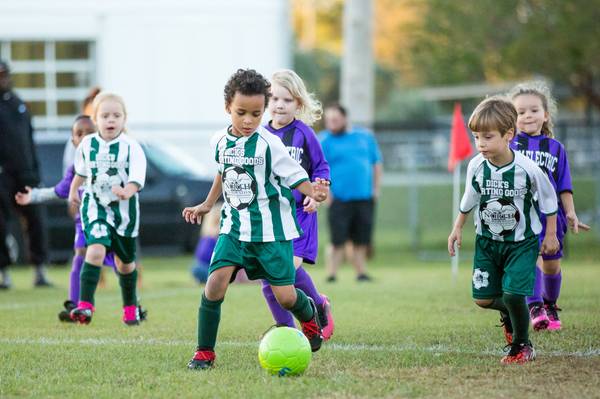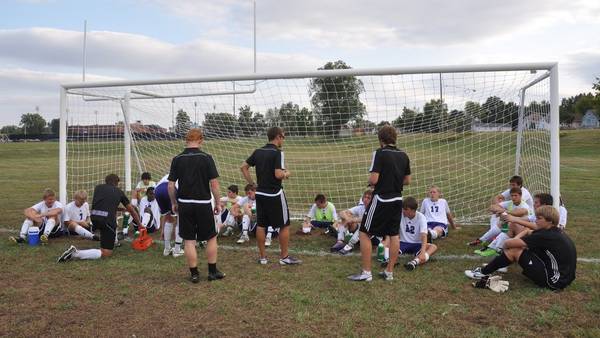

The final whistle blows. The team lost 3-1. The coach knows something went wrong but can't pinpoint exactly what. "They were better than us" becomes the analysis. Next week's training focuses on general improvement, missing the specific tactical issues that cost the match.
This scenario repeats at grassroots clubs constantly. Coaches make tactical decisions based on emotion, recent memories, and gut feelings rather than objective evidence. Meanwhile, the actual patterns causing problems remain invisible and unfixed.
Football match reports transform this guesswork into evidence-based coaching. Systematic recording of what actually happens during matches reveals patterns coaches can't see in the moment. These insights drive tactical adjustments that genuinely improve team performance rather than just making changes for change's sake.
Why Most Tactical Adjustments Fail
Emotion-driven decisions after losses lead to overreactions. Teams get thrashed 5-0, and coaches completely overhaul formations and tactics. But perhaps the scoreline flattered the opposition. Maybe the tactical approach was sound but individual errors proved costly. Without objective match data, coaches can't distinguish between systemic tactical problems and execution failures.
Recency bias overweights recent events in memory. The opposition's third goal - a spectacular long-range strike - dominates the coach's thinking. Meanwhile, the systematic defensive breakdown that led to their first two goals gets forgotten. Match reports capture everything equally, preventing distorted analysis.
Confirmation bias makes coaches see what they expect rather than what actually happened. A coach convinced their 4-4-2 formation is superior might overlook evidence that it's being overrun in midfield. Structured football match reports force confrontation with objective reality.
Missing patterns across multiple matches prevents identification of recurring issues. A team concedes from set pieces three consecutive weeks, but without systematically tracking this, the pattern remains invisible. Each week feels like a random occurrence rather than a persistent weakness requiring attention.
Reactive rather than proactive adjustments mean always responding to last week's problem. Proper match analysis enables coaches to anticipate issues before they become critical, making adjustments based on emerging trends rather than only after problems become overwhelming.
The Power of Structured Match Reports
Objective records of what actually happened provide foundation for improvement. When debates arise about whether the team struggled with possession or defending transitions, match reports provide definitive answers. No more relying on conflicting memories.
Pattern recognition across games reveals systemic issues invisible in single matches. One defensive lapse might be bad luck. The same defensive breakdown in similar situations across six matches indicates a tactical problem requiring structural solutions.
Evidence-based tactical planning replaces guesswork with data. "We're switching to three at the back because we've conceded 70% of our goals from wide positions in the last eight matches" carries more weight than "I think we need to try something different."
Communication tools with players become more effective when backed by evidence. Showing players specific examples from recent matches makes tactical instructions concrete rather than abstract. "Remember when their winger got behind us three times last week? Here's the positioning adjustment that prevents that."
Development tracking over seasons shows long-term progress. Comparing this season's defensive record to last season's provides objective evidence of improvement. Tracking tactical evolution documents the team's development journey.
Essential Components of Effective Match Reports
Match Context and Conditions
Opposition quality and style must be documented. Did the team lose to the league leaders or struggle against relegation candidates? Is the opponent direct and physical or technical and possession-based? Context determines whether results reflect performance quality.
Weather and pitch conditions affect tactical effectiveness. Poor pitches favour direct football over intricate passing. Heavy rain advantages physical styles. Recording conditions explains why tactics that worked brilliantly one week failed the next.
Player availability and lineup impact results significantly. Playing without three first-choice players isn't the same as fielding the strongest eleven. Match reports should note key absences affecting tactical implementation.
Match importance and pressure influence performance. Cup finals create different psychological conditions than mid-season friendlies. Recording match significance provides context for performance analysis.
Referee influence sometimes dramatically affects outcomes. A referee who allows physical play enables different tactics than one who penalizes contact strictly. Note refereeing style when it significantly impacts the match.
Formation and Shape Data
Starting formations establish tactical baselines. Record both team's formations and initial approaches. This provides the starting point for analyzing how tactics evolved during matches.
Formation and shape changes reveal tactical flexibility. Did the team switch from 4-3-3 to 4-5-1 after going ahead? Document these adjustments and their effectiveness for future reference. Understanding football formations helps coaches analyze whether shape changes achieved intended tactical effects.
Positional effectiveness shows whether players actually occupied intended positions. A planned 4-4-2 becomes a 4-2-4 if midfielders push too far forward. Record actual shapes, not just intended ones.
Defensive and attacking structures describe organization with and without the ball. The same formation can defend compactly or high up the pitch. Document these organizational principles alongside formations.
Transition organization captures how teams moved between attack and defence. Swift transitions create goal-scoring opportunities. Disorganized transitions create defensive vulnerabilities. This often determines match outcomes more than static formations.
Key Events and Goals
Goal circumstances and build-up reveal how goals actually happen. Record the 3-4 passes leading to goals. Patterns emerge - perhaps the team consistently scores from quick transitions but struggles to break down organized defences.
Chances created and conceded quantify attacking and defensive effectiveness beyond goals scored. Creating 15 chances but scoring once suggests finishing problems. Conceding three goals from three chances indicates defensive vulnerability.
Set piece effectiveness matters enormously at grassroots level. Track corners, free kicks, and throw-ins for both teams. Many grassroots matches get decided by set pieces, making this data crucial for tactical planning.
Defensive errors and patterns identify specific issues requiring training focus. If the team repeatedly concedes because defenders don't track runners, that becomes next week's training priority.
Individual moments of quality that don't fit broader patterns still deserve recording. Sometimes matches get decided by individual brilliance rather than systemic tactical advantages. Distinguish between these exceptional moments and repeatable patterns.
Possession and Territory
Time in opposition half approximates attacking effectiveness. Teams spending 60% of matches in attacking territory usually dominate. Conversely, constantly defending in one's own half signals problems.
Possession by thirds shows where teams maintain control. Dominating possession in defensive third means nothing if the ball can't progress forward. Possession in the attacking third correlates strongly with goal-scoring.
Build-up effectiveness tracks how successfully teams advance from defence to attack. Patient build-up, direct counter-attacks, or long ball approaches all have roles. Record which approaches work against different opponents.
Pressing success measures how effectively teams win the ball high up the pitch. Successful pressing creates chances. Unsuccessful pressing leaves defensive gaps. Track pressing effectiveness to optimize when and where to press.
Counter-attacking efficiency matters for teams that defend deep and transition quickly. Recording counter-attack frequency and success rates guides tactical emphasis on this approach.
Individual Performance Notes
Position-specific effectiveness evaluates players against role requirements. Did the defensive midfielder protect the back line effectively? Did the striker create space for teammates even without scoring?
Key contributions beyond statistics deserve recognition. Assists and goals tell part of the story. The midfielder who repeatedly broke up opponent attacks or the defender who organized the backline both contributed critically without statistical glory.
Areas for improvement identified through match performance guide individual development. Perhaps a talented attacker struggles with positional discipline. Document this for targeted coaching attention.
Standout performances get recorded for positive reinforcement and confidence building. Recognition of excellent performances, even in defeats, maintains morale and motivation.
Development observations track progress over time. That young centre-back who struggled with aerial duels three months ago now dominates in the air. Recording these improvements documents development journeys.
Creating Reports During and After Matches
Live recording during matches captures information whilst fresh but divides coach attention. Some coaches successfully record key events on phones during matches. Others find this distracts from in-game coaching and prefer post-match completion.
Mobile-friendly data entry enables touchline reporting. Apps designed for match recording make live data capture practical. Pre-set categories and quick-tap inputs minimize time requirements.
Quick capture methods focus on essential information rather than comprehensive detail. Record goals, major chances, substitutions, and tactical changes in the moment. Add detailed analysis post-match when time allows.
Video reference integration lets coaches review matches afterward for details missed during live viewing. Combining video review with match reports creates comprehensive records capturing both statistical patterns and visual confirmation.
Balancing coaching and recording requires thoughtful approaches. Some coaches delegate reporting to assistants or statisticians. Others use half-time and post-match periods for most recording, capturing only essential events live.
Analyzing Reports for Tactical Insights
Single match deep dives examine individual performances comprehensively. After important matches or significant results, detailed analysis reveals precisely what worked and what didn't. This informs immediate tactical adjustments.
Multi-match pattern identification requires reviewing 4-6 reports together. Do certain defensive problems recur regardless of opponent? Does the team consistently struggle with specific tactical situations? Patterns across multiple matches warrant structural tactical changes.
Opposition-specific trends emerge from facing teams multiple times. League rivals faced twice per season show whether tactical approaches work. If Plan A failed in the first meeting, what adjustments succeed in the rematch?
Home versus away comparisons reveal whether the team performs differently in different environments. Perhaps the team plays expansive football at home but struggles to control matches away. This might suggest different tactical approaches for different venues.
Formation effectiveness analysis examines results and performances using different systems. If the team wins 75% of matches in 4-3-3 but only 40% in 4-4-2, perhaps the 4-3-3 better suits available players.
Translating Data into Training Focus
Identifying recurring weaknesses directs training priorities. If match reports show consistent problems defending crosses, next week's training emphasizes aerial duels and defensive positioning for crosses.
Building on consistent strengths optimizes what already works. Perhaps the team creates dangerous situations from quick throw-ins. Dedicating training time to developing throw-in routines capitalizes on existing capability.
Position-specific development needs emerge from match analysis. If left-backs repeatedly struggle with 1v1 defending against quick wingers, organize specific training addressing this weakness.
Set piece improvements come from analyzing what works and what doesn't. Testing different corner routines in matches, tracking success rates, then emphasizing effective approaches in training creates systematic set piece development.
Tactical concept reinforcement uses match examples to illustrate training points. "Remember Tuesday's drill about pressing triggers? Here's where we did it perfectly against Riverside, and here's where we missed the cue."
Using Reports for Opposition Preparation
Studying upcoming opponents through their match reports (if playing them previously) or scouting reports reveals tactical approaches and vulnerabilities. Even at grassroots level, understanding opponent tendencies provides competitive advantages.
Identifying opponent weaknesses guides tactical planning. If opponents consistently struggle with pace in behind their defence, emphasize direct running and through balls. If they're poor at defending set pieces, develop routines exploiting this weakness.
Planning tactical approaches matches team strengths against opponent weaknesses whilst protecting against opponent strengths. This sophisticated analysis requires good data on both teams.
Preparing players mentally involves sharing relevant insights from opponent analysis. "They press aggressively early but tire after 60 minutes. Stay patient, look for spaces in behind, and we'll have chances late in the match."
Set piece strategies benefit from opponent analysis. If opponents consistently defend corners zonally, design routines attacking specific zones. If they mark man-to-man, create movement patterns generating space.
Age-Appropriate Match Analysis
Youth focus prioritizes development over results. Match reports for under-12s emphasize technical execution, decision-making, and effort rather than tactical sophistication. Did they pass rather than dribble when appropriate? Did they track back defensively?
Adolescent balance combines results and development. Under-14s handle more tactical complexity. Match reports track both developmental progress and competitive success, preparing players for senior football's emphasis on winning. Age-appropriate formats like 9-a-side tactics require specific analytical approaches different from 11-a-side matches.
Senior emphasis optimizes performance. Adult football match analysis can be highly sophisticated, focusing on tactical details, statistical trends, and competitive optimization. Players understand and appreciate analytical depth.
Communication style variations matter enormously. Under-10s need simple, positive feedback. Under-16s handle constructive criticism alongside praise. Adults want honest, detailed analysis.
Appropriate metrics by age prevent overwhelming young players with data. Track 3-4 key metrics for youth teams. Expand to 8-10 for adolescents. Adults handle comprehensive statistical analysis.
Communicating Tactical Findings to Players
Visual presentation methods enhance understanding. Show video clips illustrating tactical points. Use diagram apps to demonstrate positioning adjustments. Visual information communicates more effectively than verbal explanation alone.
Specific examples and evidence make abstract concepts concrete. "We need to defend better" means little. "Watch how their striker repeatedly found space between our centre-backs - here, here, and here - because we didn't communicate about who takes him" provides actionable clarity.
Avoiding information overload maintains focus. Share 2-3 key tactical points per match review rather than overwhelming players with comprehensive analysis. More isn't better when it prevents retention and implementation.
Positive framing of improvements maintains motivation whilst addressing weaknesses. "If we tighten our defensive shape 5 yards, we eliminate the space they exploited for their goals" feels more constructive than "Our defending was terrible."
Individual feedback delivery respects player dignity. Discuss individual weaknesses privately rather than exposing them in team meetings. Praise publicly, criticize privately remains sound practice.
Common Match Report Mistakes
Over-complicating data collection kills consistency. Attempting to track 30 different statistics per match becomes unsustainable. Start with 6-8 essential data points. Add complexity only if clear value emerges.
Recording without reviewing wastes effort. Match reports benefit no one sitting unread in folders. Schedule regular review sessions ensuring data informs decisions.
Blaming individuals publicly using match data damages relationships. Match reports should identify tactical issues and team patterns, not shame individual players for mistakes.
Ignoring context distorts analysis. A 5-0 defeat to the league champions whilst missing four first-choice players teaches different lessons than the same scoreline against equal opponents at full strength.
Analysis paralysis prevents action. Some coaches spend hours analyzing data without implementing improvements. Data should inform rapid tactical adjustments, not become an end itself.
Building a Match Report Routine
Consistent reporting structure makes data comparable across matches. Use the same template every match. This enables pattern identification impossible with changing report formats.
Time-efficient processes prevent reporting from becoming burdensome. Aim for 20-30 minutes per match report. Longer comprehensive analysis happens monthly, not weekly.
Delegating observation tasks distributes workload. Assistant coaches can track specific aspects. Parent volunteers can record statistics. Head coaches synthesize information rather than capturing everything personally.
Regular review schedules ensure reports inform coaching. Perhaps Sunday evenings for match reviews, feeding into Monday training plans. Consistent timing builds routine.
Seasonal pattern analysis examines trends across entire campaigns. How did tactical approaches evolve? Which periods showed strongest performance? What lessons inform next season's planning?
Technology Tools for Match Reporting
Digital forms and templates streamline data capture. Pre-built forms with dropdowns, checkboxes, and quick-entry fields minimize reporting time whilst ensuring consistency. Clubs can explore the leagues directory to see how organized competitions structure match reporting requirements.
Mobile apps for touchline recording enable live data capture. TeamStats and similar platforms let coaches record match events from phones during matches, syncing automatically to team records.
Video integration capabilities let coaches link video clips to specific match events. Recording "first goal" becomes more valuable when supplemented with video showing exactly how it developed.
Statistical tracking features automatically calculate metrics from recorded events. Input goals and chances, the system calculates conversion rates and chance quality.
Long-term data storage preserves match history indefinitely. Review reports from six months ago or compare this season to last season effortlessly when data is systematically stored.
Case Examples of Tactical Improvements
Defensive vulnerability identified and fixed: Match reports revealed a team consistently conceded goals from similar situations - opposition wingers cutting inside onto strong feet. Training focused on forcing wingers outside. Over the next six matches, goals conceded dropped 40%.
Attacking pattern development: Analysis showed most goals came from quick counter-attacks but struggles breaking down set defences. Training emphasized possession-based attacking patterns. Reports tracked improvement, with the team maintaining counter-threat whilst adding patient build-up capability.
Formation change justification: A coach suspected 4-4-2 wasn't working but lacked evidence. Match reports confirmed the team got overrun in midfield against three-man midfields, winning only 30% of such matches. Switching to 4-3-3 changed results dramatically, with data justifying the change to skeptical players.
Set piece success story: Detailed tracking revealed corner routines with specific patterns yielded twice the goal rate of standard corners. Emphasizing successful routines in training and matches increased corner goal conversion from 4% to 11% over a season.
Individual position optimization: A talented but inconsistent midfielder showed match data revealing strong performances when playing advanced, poor performances when playing deep. Permanently repositioning them higher up the pitch unlocked consistent contributions.
Long-Term Tactical Development
Seasonal progression tracking documents how teams develop tactical capabilities over months. Early-season reports showing defensive fragility compared to late-season solidity demonstrate improvement objectively.
Multi-year development arcs become visible through historical match data. Comparing the U14s to how the same players performed as U12s reveals developmental trajectories and validates coaching approaches.
Playing style evolution gets documented as teams mature. Perhaps the style shifts from counter-attacking youth team to possession-based adolescent team to tactically flexible senior team. Reports chart this evolution.
Learning from setbacks requires honest analysis of what went wrong. Detailed reports of disappointing results identify specific issues requiring attention, turning defeats into learning opportunities.
Building tactical identity over time creates consistent, recognizable playing styles. Match reports confirm whether the team actually plays the intended style. Data keeps development aligned with vision.
Conclusion
Using football match reports to drive tactical adjustments transforms coaching from reactive guesswork into systematic, evidence-based improvement. Coaches who document what actually happens during matches gain competitive advantages over those relying on memory and emotion.
The process needn't be complicated. Start with simple match reports tracking basic information - formations, goals, chances, key events. Review reports regularly. Identify patterns. Adjust tactics based on evidence. This foundation supports more sophisticated analysis as confidence grows.
Most importantly, structured tactical match analysis demonstrates professionalism that players and parents recognize. Clubs that systematically analyze performances and make data-driven improvements create cultures of excellence, developing both players and teams more effectively than those operating on gut feeling alone.
Ready to start making evidence-based tactical decisions? Use the team management app to record detailed football match reports alongside your player data, training records, and communication - all the tools needed for systematic tactical development in one platform.
═══════════════════════════════════════════════════════════════