
Grassroots football managers often judge success by the final league position or trophy haul, but this narrow view misses the real story of a team's development. Comprehensive season performance analysis reveals patterns invisible in individual match results - patterns that shape training priorities, inform tactical adjustments, and ultimately determine whether players progress or plateau.
The challenge facing volunteer coaches is time. Between organising fixtures, chasing kit payments, and managing parent expectations, detailed performance tracking feels like another burden. Yet teams that commit to systematic analysis throughout the campaign consistently outperform those that don't, regardless of budget or facilities.
Why Season-Long Analysis Beats Match-by-Match Reviews
Individual match assessments capture moments, not trends. A 3-0 victory might mask defensive vulnerabilities that only emerge when viewed across ten fixtures. Similarly, a narrow defeat could represent genuine tactical progress that league tables don't reflect.
Season performance analysis identifies these hidden patterns. When a youth team concedes 70% of goals in the final fifteen minutes across twelve matches, that's not bad luck - it's a fitness issue requiring specific training interventions. When possession statistics drop consistently against teams playing a high press, that's a technical gap in playing out from the back.
The data transforms subjective impressions into actionable intelligence. Rather than relying on memory or gut feeling, managers can pinpoint exactly when form dipped, which tactical changes worked, and how individual players developed across the campaign.
Building a Framework for Season Performance Analysis
Effective analysis requires structure. Without clear metrics and consistent recording methods, data becomes noise rather than insight.
Define Core Metrics Early
Before the season starts, identify which statistics matter for the team's development stage. Under-9s playing 7-a-side need different metrics than under-16s competing in 11-a-side leagues. Core metrics might include:
Goals scored and conceded by period (first half, second half, final fifteen minutes)
Possession percentages and territory control
Set-piece effectiveness (corners, free kicks, throw-ins)
Individual player appearances and positional versatility
Disciplinary records and injury patterns
Establish Recording Consistency
Assign specific individuals to track metrics during matches. Some teams rotate this responsibility among parents, whilst others use video analysis tools. The method matters less than consistency - every fixture needs the same data points recorded in the same format.
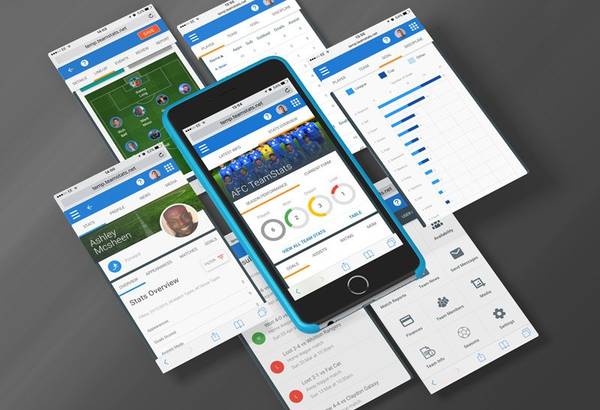
Football coaching apps streamline this process by providing standardised templates that automatically compile statistics across the season, eliminating manual spreadsheet management.
Create Review Intervals
Monthly analysis sessions prevent data overload whilst maintaining current relevance. These reviews should examine:
Performance trends over the previous four to six fixtures
Comparison with season-to-date averages
Progress toward pre-season objectives
Emerging patterns requiring tactical or training adjustments
Identifying Performance Patterns Across the Campaign
Raw data only gains value through interpretation. The real skill in season performance analysis lies in spotting patterns that inform decision-making.
Momentum Shifts and Form Cycles
Every team experiences peaks and troughs. By mapping results, performance metrics, and external factors (fixture congestion, injuries, weather conditions), managers identify what triggers form changes.
A grassroots football under-13s team might discover their five-match winning streak coincided with switching to a 4-3-3 formation that better suited their strongest players' abilities. Conversely, a slump might correlate with losing a key defender to injury, exposing the need for squad depth development.
Home Versus Away Performance Disparities
Significant differences between home and away statistics reveal psychological or tactical issues. Teams that dominate at home but struggle away often lack confidence playing out from the back under pressure. Those conceding more at home might face tactical predictability, with opponents successfully preparing specific game plans.
Opposition-Specific Trends
Season performance analysis should categorise results and metrics by opposition style. How does the team perform against:
High-pressing sides versus deep defensive blocks
Physical teams versus technical opponents
Teams playing with width versus those using narrow formations
These patterns inform tactical preparation and training priorities. If the team consistently struggles against high-pressing opponents, dedicating training sessions to playing under pressure becomes essential.
Tracking Individual Player Development
Season-long analysis extends beyond team metrics to individual progression. Youth football particularly demands this focus - winning matches matters less than developing players.
Positional Versatility and Game Time
Recording where players feature and for how long reveals development opportunities. A midfielder who's never played in defence might benefit from exposure to that role, enhancing their tactical understanding and making them more valuable to the squad.
A team management app approach allows managers to track cumulative appearances by position, ensuring balanced development and identifying players ready for new challenges.
Performance Metrics by Player
Individual statistics contextualise development. A striker's goal tally matters, but so does their shot accuracy, involvement in build-up play, and pressing effectiveness. Defenders need assessment beyond tackles won - positioning, distribution quality, and communication all contribute to overall performance.
For youth football players, comparing current metrics to their own baseline (rather than teammates) provides fairer assessment. An under-11s player improving their pass completion rate from 60% to 75% across the season shows genuine development, regardless of how that compares to the team's most technical player.
Tactical Evolution Through Data Analysis
Season performance analysis drives tactical refinement. Rather than persisting with formations that aren't working or abandoning successful approaches prematurely, data-informed decisions improve outcomes.
Formation Effectiveness
When teams play multiple football formations throughout a season, comparing results and performance metrics by system reveals which tactical approach suits the squad best. A team might discover they win 65% of matches using a 4-4-2 but only 35% with a 4-3-3, despite the latter being more fashionable.
However, raw win percentages don't tell the complete story. If the 4-3-3 produces better possession statistics and fewer goals conceded but lower scoring rates, the issue might be finishing rather than the formation itself. This insight directs training focus toward attacking drills rather than tactical overhaul.
Set-Piece Analysis
Set-pieces represent 30-40% of goals at grassroots football level, yet many teams neglect systematic analysis of their effectiveness. Tracking conversion rates for corners, free kicks, and throw-ins across the season identifies which routines work and which need revision.
A team taking 80 corners throughout a campaign but scoring just twice needs different routines. Comparing this to conceding eight goals from 60 opposition corners reveals a defensive priority requiring immediate attention.
Using Season Data to Set Future Objectives
The ultimate value of season performance analysis emerges in planning the next campaign. Historical data provides the foundation for realistic, measurable objectives.
Benchmarking Progress
Comparing season-on-season statistics demonstrates genuine development. An under-14s team finishing mid-table two consecutive seasons might appear stagnant, but if average possession increased from 42% to 51% and goals conceded dropped from 58 to 41, significant progress occurred despite league position remaining static.
This evidence proves particularly valuable when managing parent expectations. Rather than fielding complaints about league position, managers can demonstrate tangible improvements in player development and team performance.
Identifying Training Priorities
Season data highlights specific weaknesses requiring off-season attention. If analysis reveals the team conceded 60% of goals from set-pieces, pre-season training must prioritise defensive organisation at corners and free kicks. If chance conversion rates averaged just 12%, finishing drills become essential.
This targeted approach maximises limited training time, focusing on areas with the greatest potential impact rather than generic session plans.
Squad Development Planning
For Sunday league football teams and youth clubs alike, understanding which positions need strengthening informs recruitment or player development strategies. If the team struggled whenever the first-choice goalkeeper was unavailable, developing backup options becomes a priority.
Similarly, identifying players who featured in multiple positions successfully helps build squad versatility, reducing vulnerability to injuries or unavailability.
Common Pitfalls in Season Performance Analysis
Even well-intentioned analysis efforts can fail without awareness of common mistakes.
Over-Reliance on Outcome Metrics
Results matter, but process metrics often prove more valuable for development. A team might win matches despite poor underlying statistics, creating false confidence. Conversely, narrow defeats accompanied by strong performance indicators suggest the team is developing well despite disappointing results.
Ignoring Context
Statistics without context mislead. A spike in goals conceded might correlate with injuries to key defenders rather than tactical failures. A scoring drought might coincide with playing three top-of-the-table opponents in succession. Season performance analysis must consider these contextual factors.
Analysis Paralysis
Collecting excessive data creates workload without proportional insight. Grassroots football teams need focused metrics that inform specific decisions, not comprehensive databases requiring hours of maintenance. Start with five to eight core statistics, expanding only if additional metrics serve clear purposes.
Failure to Act on Insights
Analysis only creates value when it drives action. Teams that identify patterns but fail to adjust training, tactics, or squad management waste the effort invested in data collection. The purpose of season performance analysis is improvement, not just information.
Integrating Technology into Season Analysis
Modern tools eliminate much of the manual burden that previously made comprehensive season analysis impractical for volunteer-run teams.
Digital platforms automatically compile match statistics, track player availability and appearances, and generate performance reports. Rather than spending hours updating spreadsheets, managers access instant visualisations showing trends across the campaign.
TeamStats provides these capabilities specifically designed for grassroots football, with interfaces accessible to parent-coaches rather than data analysts. The platform tracks everything from individual player statistics to team-wide tactical metrics, creating comprehensive season overviews without requiring technical expertise.
Communicating Analysis to Players and Parents
Data becomes most powerful when shared effectively with stakeholders. Players benefit from understanding their development trajectory, whilst parents appreciate evidence-based communication about team progress.
Player Development Meetings
Individual sessions reviewing a player's season statistics provide concrete feedback. Rather than vague comments about "working harder," managers can show specific metrics: "Your pass completion rate improved from 68% to 79% this season, and you've successfully played three different positions."
This approach motivates players by demonstrating measurable progress whilst identifying clear areas for continued development.
Parent Communication
Transparent sharing of team performance data manages expectations and builds trust. When parents understand the team improved defensively by 35% despite finishing one league position lower, they appreciate the development occurring beyond results.
Regular updates throughout the season, rather than just end-of-campaign summaries, maintain engagement and demonstrate the coaching team's professionalism.
Conclusion
Season performance analysis transforms grassroots football management from reactive firefighting to strategic development. By systematically tracking metrics across the campaign, managers identify patterns invisible in individual match reviews, enabling data-informed decisions about tactics, training priorities, and squad development.
The challenge for volunteer coaches lies in implementing analysis without creating unsustainable workload. Focusing on core metrics, establishing consistent recording processes, and leveraging digital tools makes comprehensive season performance analysis achievable even for time-poor parent-coaches.
Teams that embrace this approach consistently outperform those relying on memory and intuition. They identify tactical adjustments earlier, develop players more effectively, and build sustainable improvement rather than experiencing random fluctuations in form.
Most importantly, season performance analysis shifts focus from short-term results to long-term development - the true measure of success in grassroots football. Whether managing under-9s taking their first steps in competitive football or adult teams competing in local leagues, understanding performance trends across the full campaign provides the foundation for continuous improvement and player development that extends far beyond any single season's results.
═══════════════════════════════════════════════════════════════