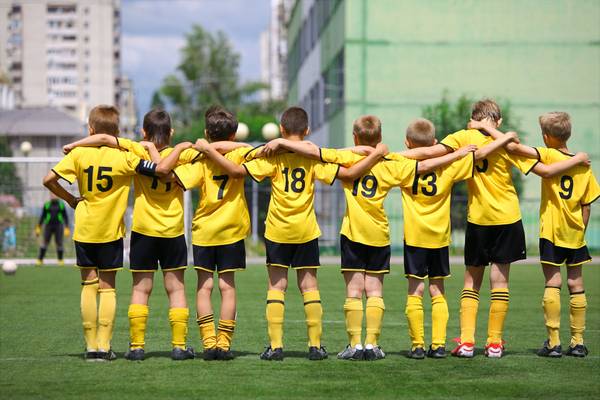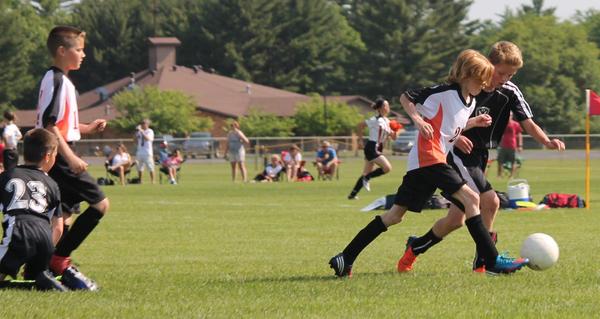

Every grassroots football coach has witnessed both sides of the team unity football equation. Some squads gel beautifully - players supporting each other through challenges, celebrating successes collectively, and performing beyond their individual abilities through coordinated effort. Others struggle despite having talented individuals, with fragmented efforts and poor communication undermining potential. The difference rarely stems from skill disparities alone. Instead, team unity football flourishes when players share common purposes that align individual efforts toward collective objectives.
Creating this unity doesn't happen accidentally. Successful coaches intentionally cultivate environments where shared goals bind players together, transforming groups of individuals into cohesive units. When young players understand what they're working toward collectively and recognise how their personal contributions support team success, something powerful emerges - a sense of belonging and purpose that transcends individual achievement and creates memories lasting far beyond youth football careers.
Understanding Team Unity in Youth Football
The concept of team unity football extends far deeper than simply getting along or being friendly. True unity represents genuine commitment to collective success, where players prioritise team objectives alongside personal development.
Beyond Individual Skill Development
Individual talent development remains crucial in youth football, but collective strength often determines actual performance outcomes. Teams with exceptional individual players but poor unity frequently underperform against less talented but more cohesive opponents. When players trust each other, communicate effectively, and understand their roles within larger tactical frameworks, the whole genuinely becomes greater than the sum of its parts.
Team unity football amplifies performance through several mechanisms. Players who trust teammates make braver passes, attempt more ambitious combination play, and recover more effectively from mistakes knowing others will provide support. Defensive organisation improves dramatically when players genuinely commit to protecting each other rather than just their immediate zones. These performance benefits create positive feedback loops - success breeds confidence, confidence strengthens unity, and enhanced unity delivers more success.
Creating lasting bonds through shared purpose provides value extending beyond football contexts. Young players learning to subordinate individual desires to collective needs, support teammates through difficulties, and celebrate others' successes develop character traits benefiting all life aspects. These social and emotional learning outcomes represent grassroots football's most significant contributions to youth development. Understanding what grassroots football means helps coaches appreciate these broader developmental purposes.
The Role of Shared Goals in Building Unity
Shared goals provide focal points aligning individual efforts toward common objectives. Without clear collective targets, players naturally focus primarily on personal achievements - scoring goals, making successful tackles, or impressing scouts. Whilst individual ambition isn't inherently problematic, exclusive focus on personal success fragments team efforts and undermines unity.
Well-crafted shared goals create accountability through collective commitment. When teams publicly commit to specific objectives - defensive clean sheets, improved passing accuracy, or supporting each other positively - individual behaviours shift to align with these commitments. Players hold themselves and teammates accountable for actions affecting shared targets, creating peer pressure supporting positive behaviours.
Celebrating progress together strengthens bonds in ways individual recognition cannot replicate. When teams achieve collective milestones, everyone shares the achievement regardless of who contributed most directly. Defenders feel pride in attacking success they enabled through solid organisation, whilst attackers appreciate defensive efforts protecting narrow leads. This shared celebration builds mutual respect and appreciation fundamental to genuine unity.
Setting Effective Team Goals
Not all goals prove equally effective at building team unity football. The most powerful shared objectives possess specific characteristics making them meaningful and motivating for young players.
Characteristics of Meaningful Goals
Specific, measurable, achievable targets provide clarity that vague aspirations cannot match. "Play better football" means nothing concrete, whereas "complete 200 successful passes per match" creates tangible targets players understand and can track progress toward. Measurement allows objective assessment showing whether teams are improving, maintaining current levels, or declining - information essential for maintaining motivation.
Age-appropriate objectives respect different developmental stages within youth football. Under-8 teams might focus on basic cooperative behaviours - passing to teammates, encouraging each other, staying in positions. Under-14 squads can handle sophisticated tactical objectives around pressing triggers, build-up patterns, or transition speed. Mismatched goals either bore players with excessive simplicity or overwhelm them with unrealistic complexity.
Balancing competitive and developmental priorities proves crucial in youth football contexts. Whilst winning matters and competitive goals motivate many young players, exclusively outcome-focused objectives risk undermining developmental priorities. Goals emphasising effort, improvement, and specific skill application alongside competitive targets maintain healthy perspectives on youth football purposes.
Involving Players in Goal Setting
Creating ownership through participation dramatically increases commitment to shared objectives. When coaches impose goals without player input, teams may comply superficially whilst lacking genuine investment. Conversely, collaborative goal-setting where players contribute ideas and discuss priorities creates psychological ownership translating into authentic commitment.
Understanding player aspirations and motivations helps craft goals resonating with what actually matters to team members. Some players care primarily about winning, others focus on personal skill development, whilst many simply want social connection and fun. Effective shared goals incorporate elements addressing these various motivations, ensuring everyone finds personal meaning within collective objectives.
Building buy-in through collaborative planning transforms goal-setting from top-down mandate into shared journey. When players help determine what success looks like, discuss how to achieve objectives, and participate in planning celebration mechanisms, they become co-creators rather than passive recipients. This involvement fundamentally changes relationships between players and goals.
Types of Goals for Youth Teams
Performance goals focusing on controllable factors often prove more valuable than pure outcome goals emphasising results. Teams control passing accuracy, defensive organisation quality, and transition speed but cannot entirely control whether they win matches facing superior opponents. Performance goals maintain motivation even during difficult periods when results disappoint, as teams can still achieve process objectives whilst losing matches.
Team behaviour and culture objectives address how players treat each other, respond to adversity, and represent their clubs. Goals around supporting teammates positively, respecting opponents and officials, or maintaining composure under pressure shape character development whilst strengthening unity through shared values. These cultural objectives often deliver the most lasting impact on young players' development.
Individual contribution targets supporting team success balance personal development needs with collective priorities. Rather than purely selfish individual goals, these targets emphasise how personal improvement benefits teams - defenders improving distribution quality, midfielders increasing pressing intensity, or attackers creating more chances for teammates. This framing maintains individual motivation whilst reinforcing team unity football concepts.
Communicating Goals Effectively
Setting goals represents only the first step. Effective communication ensuring objectives remain front-of-mind throughout seasons proves equally crucial for maintaining focus and motivation.
Making Goals Visible and Memorable
Visual displays in changing rooms serve as constant reminders of collective commitments. Simple posters listing team goals, progress charts tracking achievement metrics, or inspirational images representing targets help goals stay present in players' consciousness rather than being forgotten after initial discussions. These visual cues trigger memory and reinforce priorities before every training session and match.
Regular reminders during training connect daily activities to larger objectives. When football coaching apps help coaches reference how specific drills develop capabilities supporting team goals, players understand purpose behind exercises rather than completing them mechanically. This connection between immediate activities and ultimate objectives maintains motivation and helps players recognise progress occurring gradually through accumulated small improvements.
Connecting daily activities to larger objectives helps young players, who naturally focus on immediate concerns, understand how current efforts contribute to long-term targets. When warming up before matches, coaches might remind teams how preparation quality affects achieving defensive organisation goals. During passing drills, references to accuracy targets make abstract goals concrete and relevant to current activities.
Breaking Down Long-Term Goals
Monthly and weekly milestones transform potentially overwhelming season-long objectives into manageable steps. Rather than fixating on final targets that might seem impossibly distant in early season, teams focus on achieving progressive milestones building toward ultimate goals. This chunking makes goals feel achievable whilst providing regular satisfaction as teams reach intermediate targets.
Celebrating incremental progress maintains motivation during the inevitable plateaus occurring in development journeys. Not every week shows dramatic improvement, but recognising small steps forward - slightly better passing accuracy, marginally reduced goals conceded, or improved communication - keeps morale high and reinforces that progress is occurring even when overall objectives remain unachieved.
Maintaining motivation through achievable steps prevents the discouragement that emerges when goals feel perpetually out of reach. Young players particularly need regular positive reinforcement showing their efforts matter and produce results. Milestone celebrations provide this reinforcement whilst building momentum toward larger targets.
Fostering Collective Responsibility
Genuine team unity football requires players feeling responsible for collective outcomes rather than just individual performances. Creating this shared accountability represents perhaps coaches' most important cultural development work.
Creating a Culture of Mutual Support
Encouraging players to help each other improve shifts focus from individual achievement to collective development. When stronger players actively support teammates who struggle, everyone benefits - those receiving help improve faster whilst those providing assistance develop communication and leadership skills. This mutual investment creates interdependencies strengthening unity as players recognise their fates intertwine.
Recognising unselfish play and teamwork as valuable as spectacular individual brilliance shapes what teams celebrate and value. When coaches praise defensive cover, intelligent off-ball movement creating space for teammates, or encouragement offered to struggling colleagues, players learn these contributions matter equally to scoring goals or making flashy tackles. Public recognition of team-oriented behaviours reinforces their importance within team cultures.
Building trust through shared challenges creates bonds that superficial social interactions cannot replicate. When teams face difficult opponents, weather adverse conditions, or overcome mistakes collectively, they develop confidence in each other's commitment and reliability. These shared struggles forge deeper connections than success alone provides, teaching valuable lessons about resilience and mutual dependence. Competitive formats like Sunday league football often test these bonds particularly strongly.
Developing Team Roles and Identity
Understanding individual contributions to team success helps players value diverse strengths and abilities. Not everyone will be the star striker or commanding centre-back, but every role matters. When teams explicitly discuss how different positions contribute - how defensive midfielders protect back lines, how wide players stretch defences, how forwards press opponents' defenders - players appreciate their teammates' work rather than just noticing goal scorers.
Creating inclusive environments where everyone belongs requires conscious effort ensuring no players feel marginalised. This means valuing contributions from less talented players, rotating opportunities fairly, and celebrating progress relative to individual starting points rather than only absolute performance levels. When all players feel genuinely valued, unity strengthens as everyone invests in collective success knowing they belong.
Modern team management apps help coaches track diverse contributions beyond basic statistics, making it easier to recognise and celebrate players whose value might otherwise go unnoticed. Tracking tackles won, kilometres run, or passing accuracy provides objective data supporting inclusive recognition of various contribution types.
Leadership Development Within Teams
Empowering player leadership opportunities distributes responsibility beyond coaching staff, strengthening unity through peer ownership. When players lead warm-ups, organise social activities, or facilitate team discussions, they develop investment in team culture whilst peers see leadership as collective responsibility rather than adult-imposed authority.
Rotating captain responsibilities ensures multiple players experience leadership roles and associated responsibilities. Rather than designating single captains for entire seasons, rotating this honour weekly or monthly allows more players to develop leadership capabilities whilst preventing perceived hierarchies fragmenting teams into leaders and followers.
Teaching leadership through example remains more effective than lectures about good captaincy. When coaches model respectful communication, admit mistakes gracefully, and demonstrate resilience through setbacks, players learn authentic leadership behaviours they can emulate. This modelling proves particularly powerful when coaches highlight how their own actions reflect the unity values they promote.
Activities That Build Team Unity
Beyond goal-setting and cultural development, specific activities intentionally designed to strengthen bonds accelerate team unity football development and make the process enjoyable.
Team-Building Exercises and Challenges
Pre-season bonding activities help new teams or teams integrating new members establish connections before competitive pressures emerge. Simple activities like team quizzes, escape room challenges, or outdoor adventures create positive shared experiences building familiarity and trust. These early investments in relationship-building pay dividends throughout seasons when teams face adversity requiring unity to overcome.
Problem-solving challenges requiring collaboration teach cooperative skills whilst creating immediate shared experiences. Tasks like building structures with limited materials, navigating obstacle courses blindfolded while teammates provide guidance, or completing physical challenges needing coordinated effort demonstrate interdependence values in engaging, memorable ways young players appreciate more than abstract discussions.
Fun activities building relationships off the pitch remind players that teammates are friends deserving support beyond tactical contexts. Team meals, bowling nights, or cinema trips create social bonds enriching the human relationships underlying effective team unity football. These activities particularly benefit players who might struggle to connect through purely football-focused interactions.
Collaborative Training Sessions
Small-sided games emphasising teamwork over individual brilliance develop cooperative instincts whilst maintaining football-specific contexts. Games requiring minimum passes before shooting, restricting individual dribbling touches, or awarding points for combinations rather than just goals force players to work together whilst remaining engaging and competitive.
Passing patterns requiring coordination teach players to move collectively rather than focusing only on individual actions. Complex passing sequences where everyone must touch the ball or patterns requiring precise timing and positioning demonstrate how individual actions affect teammates. When patterns break down, players immediately experience consequences of poor coordination, making abstract unity concepts concrete. Coaches might reference established patterns from resources on 9-a-side football tactics when designing appropriate drills.
Defensive drills building collective responsibility help players understand how individual positioning decisions affect teammates. Practice scenarios showing how one player's positioning error forces others to compensate, or demonstrating how proper coordination simplifies defensive tasks, create intellectual understanding complementing emotional commitment to supporting each other.
Team Rituals and Traditions
Pre-match routines creating shared identity give teams distinctive characters and help players feel part of something special. Whether particular warm-up sequences, huddle routines, or changing room traditions, these rituals create continuity and belonging. Players cherish memories of these shared practices long after forgetting specific match results.
Post-match celebrations honouring collective effort ensure victories are shared experiences rather than individual achievements. Team songs, celebratory routines, or post-match gatherings where everyone participates equally reinforce that success belongs to everyone regardless of who scored goals or made spectacular saves. These celebrations create positive associations strengthening commitment to collective objectives.
Season traditions building club culture connect current teams to broader organisational histories and identities. End-of-season awards ceremonies, annual tournaments, or charity events create larger narratives transcending individual seasons. Players feel part of ongoing stories rather than isolated teams, strengthening identification with clubs and values they represent.
Overcoming Challenges to Team Unity
Even well-managed teams face obstacles threatening unity. Anticipating and addressing common challenges proactively protects the cohesion coaches work hard to build.
Managing Individual Egos and Competition
Balancing healthy competition with cooperation represents perpetual challenges in youth football. Individual ambition drives improvement but can undermine team unity football when players prioritise personal statistics over team success. Coaches must explicitly discuss this tension, helping players understand that individual excellence and team commitment aren't mutually exclusive but rather complementary when properly balanced.
Addressing conflicts constructively when they emerge prevents small disagreements escalating into divisions damaging unity. Rather than ignoring conflicts or imposing solutions, coaches can facilitate player-led resolution where teammates work through issues themselves with guidance. This approach develops conflict resolution skills whilst demonstrating that disagreements need not destroy unity when handled respectfully.
Redirecting individual focus toward team benefit requires helping players recognise how personal success depends on teammates' contributions. Goal scorers rely on creative midfielders and solid defenders, whilst defenders need attackers controlling possession reducing defensive pressure. Making these interdependencies explicit helps players appreciate how supporting teammates serves their own interests.
Dealing with Performance Disparities
Valuing all contributions regardless of ability proves essential in youth football where developmental ranges vary dramatically. Teams including both highly talented and less skilled players risk fragmenting into ability-based cliques unless coaches actively create inclusive cultures. Emphasising effort, improvement, and attitude alongside ability helps all players feel valued for their unique contributions.
Creating roles where every player can excel demonstrates that contribution opportunities extend beyond obvious starring positions. Perhaps less skilled players excel at encouraging teammates, maintaining equipment, or leading team bonding activities. Recognising these contributions publicly shows that value comes in many forms, not just football ability.
Preventing cliques based on skill levels requires conscious monitoring and intervention when exclusive groups form. Mixed-ability training partnerships, varied team selections for practice games, and explicit discussions about inclusion help prevent the natural tendency for similar-ability players clustering together whilst excluding others.
Maintaining Unity Through Difficult Periods
Supporting each other during losing streaks tests unity more severely than success ever does. When results disappoint, individuals may blame teammates rather than accepting collective responsibility. Coaches must reinforce that difficulty reveals character and that true unity emerges through adversity rather than just good times.
Learning together from setbacks transforms defeats into developmental opportunities rather than just disappointments. Post-match discussions focusing on lessons learned, what teams will do differently, and how setbacks make eventual success more satisfying help maintain perspective. This growth mindset prevents spirals where poor results undermine confidence, which further degrades performance.
Strengthening bonds through adversity creates deeper unity than smooth sailing ever achieves. Teams overcoming significant challenges together - coming back from heavy deficits, winning after long losing streaks, or succeeding despite major obstacles - develop unshakeable confidence in collective resilience. These experiences create powerful memories binding players together long after youth football careers end.
The Coach's Role in Building Unity
Coaches serve as architects of team unity football, with their words, actions, and decisions either building or undermining cohesion.
Modelling Inclusive Leadership
Treating all players fairly and respectfully regardless of ability or behaviour sets standards teams adopt. When coaches demonstrate patience with struggling players, avoid favouritism toward talented performers, and maintain composure under pressure, they model behaviours they hope players will emulate. This authentic modelling proves far more powerful than any lecture about proper conduct.
Demonstrating the values coaches want to instil requires genuine embodiment rather than just verbal instruction. If coaches preach respect but berate officials, or discuss teamwork importance whilst blaming individuals for mistakes, contradictions undermine messages. Players notice these inconsistencies immediately, learning that stated values don't truly matter.
Creating psychologically safe environments where players feel comfortable taking risks, making mistakes, and expressing themselves honestly enables authentic unity development. When teams operate from fear of criticism or embarrassment, superficial compliance masks genuine connection. Safe environments where vulnerability is accepted allow real relationships developing trust underlying effective unity.
Facilitating Positive Team Dynamics
Recognising and addressing negative behaviours before they metastasise protects team cultures. Bullying, clique formation, or excessive criticism of teammates must be confronted immediately and decisively. Allowing problematic behaviours to continue signals implicit acceptance, encouraging their continuation and spread.
Encouraging positive peer relationships through structured activities and informal opportunities creates networks supporting unity. Pairing different players in training activities, rotating leadership responsibilities, and facilitating team social events helps relationships form across natural friendship clusters. These cross-cutting connections strengthen overall cohesion.
Building communication skills among players improves on-pitch coordination whilst strengthening off-pitch relationships. Teaching players to encourage rather than criticise, to communicate constructively about tactical issues, and to express appreciation for teammates' efforts develops capabilities benefiting both football performance and general social development.
Measuring Progress Toward Team Goals
Regular check-ins on collective objectives maintain focus and allow course corrections when teams drift from targets. Brief discussions during training or matches about current standing toward goals, what's working well, and what needs adjustment keep objectives relevant rather than becoming forgotten initial-season pronouncements.
Celebrating achievements publicly when teams reach milestones or accomplish goals reinforces their importance and creates positive experiences motivating continued effort. Public recognition during training, club communications, or season-end events demonstrates that achievement mattered and that collective effort paid off.
Adjusting goals based on team development shows flexibility while maintaining focus on continuous improvement. When teams achieve objectives earlier than anticipated or conversely struggle with overly ambitious targets, modifying goals maintains their motivational value. This adjustment demonstrates that objectives serve developmental purposes rather than being rigid mandates regardless of circumstances.
Conclusion
Team unity football represents perhaps the most significant competitive advantage grassroots coaches can develop. Building team unity football through shared goals transforms teams from collections of individuals into cohesive units where collective strength exceeds individual abilities. When young players learn to support each other through difficulties and celebrate successes collectively, they develop character traits benefiting all life aspects.
The principles underlying effective team unity football apply universally across different age groups and ability levels. The approach remains constant: create shared purposes that matter, involve players genuinely in goal-setting, and build cultures valuing every contribution.
Modern platforms help track collective goals, recognise diverse contributions, and build transparency supporting trust. The investment in building genuine team unity football pays dividends throughout seasons whilst creating experiences young players treasure for lifetimes.
For coaches committed to developing not just better footballers but better people, shared goals providing focus for collective effort represent essential tools. The young players learning to work together toward common objectives carry these lessons far beyond grassroots pitches into their broader lives. Discover how TeamStats can support your team unity football goals and transform your coaching approach.
═══════════════════════════════════════════════════════════════