
Running one grassroots football team demands considerable time and organisation. Managing communication across multiple teams - whether at club level, across different age groups, or between boys' and girls' sections - multiplies that challenge exponentially.
The average grassroots football club in England operates 8-12 teams across various age groups. Each team involves 15-20 players, plus parents, coaches, and volunteers. That's potentially 200+ people requiring coordinated communication, often managed by volunteers juggling full-time jobs and family commitments.
Poor multi-team coordination creates predictable problems: double-booked pitches, conflicting fixture schedules, inconsistent club messaging, and frustrated volunteers who feel disconnected from the wider club structure. When communication breaks down across teams, the entire club suffers - from Under-7s learning basic skills to Under-18s preparing for adult football.
This guide addresses the specific challenges of coordinating communication across multiple teams, with practical strategies that work for volunteer-run clubs operating with limited resources and time.
Why Multi-Team Coordination Fails at Grassroots Level
Most grassroots football clubs don't set out to create communication chaos. The problems develop gradually as clubs grow, adding teams without updating their communication infrastructure.
Fragmented Communication Channels
The typical grassroots football club uses a bewildering array of platforms: WhatsApp groups for some teams, Facebook Messenger for others, email chains for club-wide announcements, text messages for urgent updates, and paper notices for those without smartphones. This fragmentation means critical information gets lost, duplicated, or never reaches the intended audience.
One team manager uses WhatsApp exclusively. Another prefers email. Parents in one age group expect Facebook updates whilst another team relies on Sunday morning conversations at the pitch. When the club needs to communicate something important - a pitch closure, a safeguarding update, or a fundraising initiative - there's no reliable way to reach everyone.
Information Silos Between Teams
Each team operates as an independent unit, rarely sharing information with other age groups. The Under-10s manager doesn't know the Under-12s have a tournament the same weekend training is planned. The Under-14s girls' team books the pitch without realising the Under-16s boys have a cup match scheduled.
These silos create inefficiency and conflict. Clubs waste time resolving scheduling clashes that shouldn't have occurred. Volunteers duplicate effort because they don't know another team has already solved the same problem. Good practices developed by one team never spread to others.
Inconsistent Club Identity
Without coordinated communication, clubs struggle to maintain consistent messaging and culture across teams. One age group promotes positive sideline behaviour whilst another tolerates aggressive parental conduct. Some teams emphasise player development; others focus solely on results. Parents moving between age groups as children progress encounter different expectations and standards at every level.
This inconsistency undermines club identity and makes it harder to attract sponsors, recruit volunteers, and build a positive reputation in the local football community.
Volunteer Burnout
Managing communication for a single team consumes hours each week. Coordinating across multiple teams without proper systems quickly becomes overwhelming. Club secretaries spend entire evenings forwarding information to individual team managers. Committee members field dozens of repetitive questions because there's no centralised information source.
This administrative burden drives volunteer burnout. Capable people step down from club roles not because they lack passion for grassroots football, but because the communication workload becomes unsustainable.
Essential Elements of Effective Multi-Team Coordination
Successful multi-team coordination requires specific structural elements that most grassroots football clubs lack.
Centralised Communication Hub
Effective clubs establish a single platform where all teams access club-wide information, fixture schedules, facility bookings, and policy documents. This doesn't eliminate team-specific communication channels, but it provides a reliable source of truth for club-level matters.
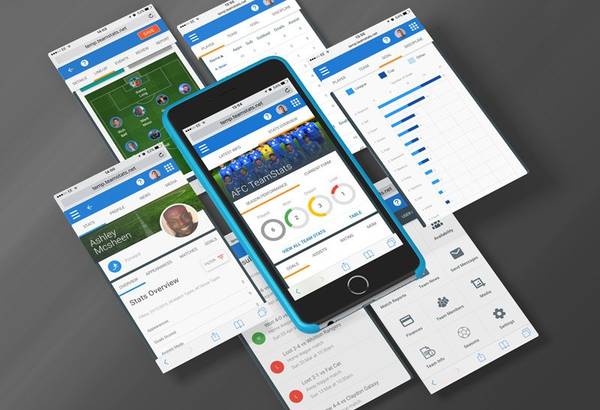
A team management app serves this function far better than scattered WhatsApp groups or email chains. TeamStats, for example, allows clubs to manage multiple teams within one platform whilst maintaining separate communication channels for each age group. Club administrators can send announcements to all teams simultaneously or target specific age groups, knowing the message will reach the intended audience.
Clear Communication Hierarchy
Multi-team coordination requires defined roles and responsibilities. Clubs need clarity about who communicates what information, through which channels, and to whom.
Effective clubs typically establish this structure:
Club Level: Committee members communicate club-wide policies, facility information, safeguarding updates, and strategic decisions to all team managers.
Team Manager Level: Team managers handle match arrangements, training schedules, team selection, and parent communication for their specific age group.
Parent Level: Parents receive team-specific information and contribute to discussions about their child's team without cluttering club-wide channels.
This hierarchy prevents information overload whilst ensuring important messages reach the right people. Parents don't need to see every Under-8s training update when their child plays for the Under-14s. Team managers don't need detailed committee meeting minutes, but they do need to know about pitch closures or policy changes.
Standardised Communication Protocols
Clubs with strong coordination establish clear protocols about communication timing, format, and expectations. These protocols answer practical questions:
How much notice should teams receive about fixture changes? What's the deadline for confirming player availability? How should teams report match results? When should managers escalate issues to club level?
Without these protocols, each team develops its own approach, creating inconsistency and confusion. Standardisation doesn't stifle team autonomy - it creates predictability that makes everyone's job easier.
Practical Strategies for Club-Level Communication
Implementing effective multi-team coordination requires specific tactical approaches.
Weekly Club Bulletin
Establishing a weekly communication rhythm helps managers and parents know when to expect information. A Sunday evening or Monday morning bulletin that summarises the week ahead across all teams creates predictability and reduces ad-hoc messaging.
This bulletin should include upcoming fixtures across all age groups, pitch availability, club events, deadline reminders, and any policy updates. Sending it at a consistent time through a consistent channel trains people to check regularly rather than expecting constant notifications.
Shared Calendar System
Fixture clashes and double-booked facilities plague grassroots football clubs that rely on individual team calendars. A shared calendar visible to all team managers prevents these conflicts before they occur.
Modern football coaching apps include calendar features that display all team activities in one view. Managers can see when other teams have booked training slots or scheduled matches before making their own arrangements. Club administrators can block out dates for facility maintenance, tournaments, or club-wide events.
Template Communication
Creating templates for common communications saves time and ensures consistency. Clubs should develop templates for:
Match day information sheets, training session reminders, player availability requests, parent conduct reminders, safeguarding updates, and emergency contact procedures.
Templates don't mean robotic, impersonal communication. They provide a starting framework that ensures nothing important gets forgotten whilst allowing personalisation for specific circumstances.
Designated Response Times
Coordination breaks down when people don't know when to expect responses. Clubs should establish reasonable response time expectations for different types of communication.
Urgent matters (match cancellations, injury concerns, safeguarding issues) require immediate response. Routine questions (kit orders, training schedule queries, fixture requests) might have a 48-hour response window. Strategic matters (policy changes, facility improvements, club development) might involve longer consultation periods.
These expectations prevent volunteer burnout by establishing boundaries whilst ensuring urgent matters receive appropriate attention.
Managing Team-Specific Communication Within Club Structure
Effective coordination balances club-level consistency with team-level autonomy.
Team Communication Channels
Each team needs its own communication space for day-to-day management without cluttering club-wide channels. The Under-10s manager shouldn't broadcast training updates to the entire club, but parents in that age group need reliable access to team-specific information.
TeamStats handles this by creating separate team spaces within the club structure. Each team has its own communication channel, availability tracking, and match scheduling whilst remaining part of the broader club system. Managers control their team's communication without needing separate apps or platforms.
Information Flow Between Levels
Clear pathways for information to flow between team level and club level prevent communication bottlenecks. Team managers need easy ways to:
Request pitch bookings, report facility issues, escalate parent concerns, share safeguarding information, coordinate with other age groups, and contribute to club decisions.
Similarly, club administrators need efficient methods to push information down to teams without requiring manual forwarding to individual managers.
Cross-Team Collaboration
Strong clubs actively facilitate communication between teams, not just from club to teams. The Under-12s manager who's developed an excellent training session plan should be able to share it with the Under-14s manager. Teams planning fundraising events benefit from knowing what approaches worked for other age groups.
Creating opportunities for team managers to communicate with peers - whether through monthly manager meetings, shared resource libraries, or digital collaboration spaces - strengthens the entire club.
Technology Solutions for Multi-Team Coordination
Grassroots football clubs increasingly recognise that spreadsheets and WhatsApp groups can't handle the complexity of coordinating multiple teams.
Integrated Platform Benefits
Purpose-built platforms designed for coordination solve problems that general communication tools can't address. TeamStats, for example, provides:
Club-wide visibility of all team activities, centralised player registration across age groups, consolidated fixture calendars, unified availability tracking, shared resource libraries, and consistent parent communication channels.
These integrated features eliminate the need for separate tools for scheduling, communication, availability tracking, and information storage. Volunteers access everything through one platform rather than juggling multiple apps and logins.
Scalability for Growing Clubs
Clubs that start with three teams often grow to eight or twelve teams over several years. Communication systems that work for small clubs collapse under the complexity of larger organisations.
Scalable platforms grow with clubs without requiring complete system changes. Adding new teams, age groups, or sections (like girls' football or disability teams) doesn't mean rebuilding the entire communication infrastructure.
Data Privacy and Safeguarding
Coordination involves managing personal information for dozens or hundreds of children. GDPR compliance and safeguarding requirements mean clubs can't treat player data casually.
Proper platforms include built-in privacy controls, secure data storage, and appropriate access restrictions. Committee members can access club-wide data whilst team managers only see information relevant to their age group. Parents control what information they share and who can access it.
Addressing Common Multi-Team Coordination Challenges
Even clubs with good systems encounter predictable coordination challenges.
Fixture Congestion
Multiple teams competing for limited pitch time creates inevitable scheduling conflicts. The solution isn't just better calendars - it requires strategic fixture planning.
Clubs should establish clear pitch allocation priorities (league matches before friendlies, older age groups before younger when appropriate), create buffer time between fixtures for setup and breakdown, coordinate with local leagues about fixture scheduling, and develop contingency plans for postponements.
Inconsistent Volunteer Engagement
Some team managers embrace club systems enthusiastically whilst others resist change or struggle with technology. This inconsistency undermines coordination.
Clubs address this through clear expectations during volunteer recruitment, comprehensive onboarding for new team managers, ongoing support and training for existing volunteers, and recognition of managers who model good communication practices.
Parent Confusion
Parents receiving information through multiple channels often miss important messages or don't know where to find specific information. Clubs should regularly remind parents about communication channels, create simple guides explaining where to find different types of information, and maintain consistent messaging about expectations.
Emergency Communication
When urgent situations arise - severe weather causing pitch closures, safeguarding concerns, or unexpected fixture changes - clubs need reliable methods to reach everyone quickly.
Establishing designated emergency communication channels separate from routine messaging ensures urgent information doesn't get lost in the noise. Some clubs use SMS for genuine emergencies whilst handling routine communication through apps. Others designate specific communication channels for time-sensitive information.
Building a Multi-Team Communication Strategy
Clubs implementing better coordination should follow a structured approach.
Assessment Phase
Begin by honestly evaluating current communication effectiveness. Survey team managers and parents about what works and what frustrates them. Identify specific pain points: Do fixture clashes occur frequently? Do people miss important messages? Are volunteers spending excessive time on communication tasks?
System Selection
Choose communication tools based on actual needs rather than what seems trendy. Consider the club's size, volunteer technical capability, budget constraints, and growth plans. Platforms designed for grassroots football understand the specific challenges clubs face better than generic communication tools.
Implementation Planning
Introduce new systems gradually rather than demanding immediate wholesale change. Start with one or two teams as pilots, gather feedback and refine processes, then roll out across the entire club. Provide training and support for volunteers during transition periods.
Ongoing Refinement
Coordination isn't a one-time fix. Regular reviews help clubs identify what's working and what needs adjustment. Seek feedback from team managers, parents, and players. Be willing to modify approaches based on actual experience rather than theoretical ideals.
Conclusion
Coordinating communication across multiple teams challenges every grassroots football club. The complexity multiplies as clubs grow, adding teams and age groups whilst relying on volunteer administrators with limited time and resources.
The solution isn't simply working harder or sending more messages. Effective multi-team coordination requires proper infrastructure: centralised platforms that maintain club-wide visibility whilst preserving team autonomy, clear communication hierarchies that define who communicates what to whom, standardised protocols that create predictability and consistency, and appropriate technology that scales with club growth.
Clubs that invest in proper coordination systems report significant benefits. Volunteers spend less time on administrative tasks and more time actually coaching. Parents receive clear, timely information through reliable channels. Teams operate more efficiently with fewer scheduling conflicts and clearer expectations. The entire club develops stronger identity and culture.
For clubs currently struggling with fragmented communication across multiple teams, platforms like TeamStats offer practical solutions designed specifically for grassroots football's unique challenges. The platform manages multiple teams within unified club structures whilst maintaining the team-level autonomy managers need for day-to-day operations.
Strong coordination doesn't happen accidentally. It requires deliberate planning, appropriate tools, and ongoing commitment to communication excellence. Clubs that prioritise coordination create better experiences for everyone involved - from committee members managing club strategy to parents simply trying to understand when their child's next match is scheduled. Transform your club's communication with integrated solutions designed for multi-team management.
═══════════════════════════════════════════════════════════════