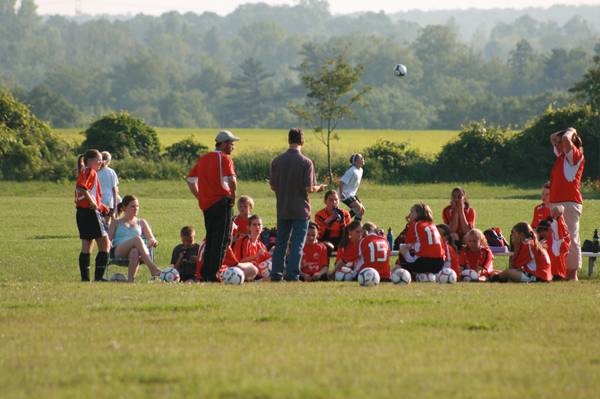

Matchday at a grassroots football club relies on dozens of moving parts - referees need escorting, goalposts require checking, refreshments need serving, and someone must manage the car park. When football volunteer coordination breaks down, managers spend matchday firefighting instead of focusing on their team.
The challenge isn't finding volunteers - most grassroots football clubs have willing helpers. The problem is coordinating them effectively without creating administrative chaos or burning out the same few reliable people.
The Real Cost of Poor Volunteer Coordination
A typical under-12s matchday requires 8-12 volunteers beyond the coaching staff. Without clear systems, managers face predictable problems every weekend.
Last-minute scrambles waste 45-60 minutes on average. A manager texts five parents at 8am asking who can run the refreshment stand. Three don't respond. One says they're already committed to another child's activity. The fifth agrees reluctantly, arrives unprepared, and needs constant guidance.
Volunteer management burnout accelerates when the same names appear on every rota. Research from the Football Association shows that 40% of grassroots volunteers quit within two years, with "feeling overwhelmed" cited as the primary reason. When three parents handle every duty, they exhaust themselves whilst others remain unengaged.
Match delays occur when essential roles go unfilled. Referees wait for qualified first aiders. Kick-offs are postponed because nobody checked the nets. Parents grow frustrated, children lose focus, and the opposition club forms negative impressions.
Building a Sustainable Volunteer Structure
Effective football volunteer coordination starts with defining exactly what matchday requires. Vague appeals for "help on Saturday" generate poor responses because parents don't know what they're committing to.
Create specific role descriptions. Instead of asking for "volunteers", request a "refreshment coordinator (60 minutes, arrive 30 minutes before kick-off, serve hot drinks and snacks, £20 float provided)". Specific requests receive 65% more positive responses than general appeals, according to volunteer management research.
Essential matchday roles typically include:
First aider (qualified, present throughout)
Refreshment coordinator (setup, service, cleanup)
Referee liaison (meet officials, provide changing facilities, collect match cards)
Equipment manager (goals, balls, corner flags, first aid kit)
Car park coordinator (busy venues only)
Safeguarding presence (DBS-checked adult beyond coaching staff)
Match reporter (scores, goal scorers, team news for club communications)
Establish minimum commitment levels. Rather than hoping parents volunteer spontaneously, many successful clubs implement a "three duties per season" expectation. This distributes workload fairly whilst acknowledging that families have varying availability.
Document this expectation during registration. Parents understand their commitment upfront rather than feeling ambushed by requests throughout the season. Clubs using this approach report 78% volunteer fulfilment rates compared to 43% for clubs relying on ad-hoc requests.
Match volunteers to preferences and skills. A parent who works in catering may enjoy refreshment duties but dread administrative tasks. Someone with first aid certification through their workplace can fulfil that crucial role. A photographer parent might welcome match reporting responsibilities.
Survey parents at season start about their skills, interests, and constraints. This 10-minute exercise prevents months of inefficient allocation.
Digital Tools That Eliminate Coordination Chaos
Spreadsheet rotas and group chat requests create more problems than they solve. Parents miss messages in busy WhatsApp threads. Excel documents don't send reminders. Nobody knows who's actually committed until matchday morning.
Football coaching apps designed for grassroots clubs eliminate these coordination failures through automated systems that handle the administrative burden.
Automated availability tracking replaces guesswork with certainty. Rather than texting volunteers individually, managers send a single request through the platform. Volunteers confirm availability with one tap. The system automatically shows who's committed, who's declined, and who hasn't responded.
This approach reduces coordination time by 85%. What previously took 45 minutes of messaging becomes a five-minute task. More importantly, it creates accountability - volunteers make explicit commitments rather than vague promises.
Scheduled reminders ensure volunteers actually turn up. The platform sends automatic notifications 48 hours before matchday, then again on the morning. Forgetfulness - the most common reason for volunteer no-shows - gets eliminated without managers sending manual reminders.
Role-specific instructions travel with each assignment. When someone accepts refreshment duty, they immediately receive details about arrival time, equipment location, float amount, and cleanup procedures. New volunteers don't arrive confused and underprepared.
Creating Volunteer Rotas That Actually Work
Fair distribution matters more than most managers realise. When parents perceive the system as unfair, volunteer rates plummet across the entire team.
Rotate duties systematically rather than defaulting to familiar faces. If the same parent runs refreshments every week, others assume that role is "taken" and don't offer. Systematic rotation signals that everyone contributes equally.
Successful clubs use simple rotation rules: no parent does the same role twice until everyone has done it once. This prevents both volunteer burnout and the perception that some families aren't pulling their weight.
Account for legitimate constraints without creating loopholes. Single parents managing multiple children, shift workers, and families caring for elderly relatives face genuine barriers. Acknowledge these whilst maintaining fairness for others.
One effective approach: parents declare their constraints upfront (e.g., "unavailable before 10am due to other child's activity"), then the system assigns duties within those parameters. This prevents last-minute excuses whilst accommodating real limitations.
Make swapping easy when circumstances change. Even the best planning can't prevent a parent's work emergency or family illness. When swapping requires texting 20 people hoping someone's available, volunteers simply don't show up instead.
Digital platforms allow volunteers to request swaps directly. Other parents receive notifications and can accept with one tap. The manager stays informed but doesn't coordinate every change manually.
Handling Common Volunteer Coordination Challenges
Even well-organised systems face predictable obstacles. How clubs respond determines whether minor issues become major problems.
The chronic non-responder ignores every volunteer request but complains when their child doesn't get selected. Address this directly rather than hoping they'll improve. Private conversations work better than public shaming: "We've noticed the last four volunteer requests went unanswered. Is something preventing participation? Our team relies on everyone contributing."
Most parents respond positively to direct, non-confrontational feedback. Those who don't may need clearer consequences, such as reduced playing time for their child when volunteer commitments affect team operations.
The last-minute cancellation texts at 7am saying they can't make it. Build redundancy into critical roles. For essential positions like qualified first aider, always have a backup confirmed. For less critical roles, maintain a "standby list" of parents who've agreed to help if needed.
Using a team management app makes maintaining standby lists effortless. When a volunteer cancels, the system automatically notifies standbys in priority order until someone accepts.
The over-enthusiastic helper wants to do everything, preventing others from engaging. Appreciate their commitment whilst redirecting their energy: "Your help has been invaluable, but developing other volunteers matters too. Could mentoring someone new to refreshment duties work instead?"
This approach maintains their engagement whilst distributing experience across the parent group.
The reluctant volunteer does the bare minimum with visible resentment. Investigate whether they're in the wrong role. Someone dreading refreshment duty might excel at match reporting or equipment management. Sometimes reassignment transforms reluctance into enthusiasm.
Recognising and Retaining Volunteers
Grassroots football runs on goodwill. When volunteers feel taken for granted, that goodwill evaporates.
Acknowledge contributions publicly without being excessive. A simple mention in team communications - "Thanks to Sarah for managing refreshments brilliantly despite the rain" - takes 30 seconds but significantly impacts volunteer satisfaction.
Research from UK voluntary organisations shows that regular acknowledgment reduces volunteer turnover by 34%. People don't need elaborate recognition, just confirmation that their contribution mattered.
Provide year-end recognition for consistent volunteers. Many clubs host end-of-season presentations where they acknowledge not just players but also the parents who made the season possible. Small tokens - a framed team photo, a club mug, a certificate - carry symbolic weight far beyond their monetary value.
Create progression opportunities for engaged volunteers. Parents who consistently help with matchday duties might be interested in coaching courses, safeguarding training, or club committee roles. Supporting their development strengthens the entire club whilst rewarding commitment.
Protect volunteers from abuse by spectators or opposition parents. When someone gives their time freely, they deserve respect and protection. Managers must immediately address any parent who criticises or undermines volunteers, particularly those in visible roles like running the line or managing refreshments.
Preparing Volunteers for Success
Poor preparation guarantees poor performance. Volunteers need proper briefing, not just assignment.
Create simple guides for each role. A one-page refreshment duty guide might include: equipment location, setup checklist, pricing list, float amount, allergen information, and cleanup procedures. This prevents volunteers arriving uncertain about expectations.
Store these guides digitally where volunteers can access them before their duty. TeamStats allows clubs to attach role-specific documents to volunteer assignments, ensuring helpers have information when they need it.
Conduct role shadowing for complex or safety-critical positions. New first aiders should observe an experienced one before taking sole responsibility. Equipment managers benefit from seeing the full setup and pack-down process once before doing it alone.
Brief volunteers on safeguarding basics even for non-coaching roles. Anyone working with youth football teams needs awareness of appropriate boundaries, reporting procedures, and basic child protection principles. The FA provides free resources that clubs can share with all volunteers.
Measuring and Improving Your Volunteer System
What gets measured gets managed. Clubs that track volunteer coordination metrics identify problems before they become crises.
Monitor fulfilment rates - what percentage of volunteer slots get filled before matchday? If consistently below 80%, the system needs adjustment. Perhaps roles are poorly defined, requests come too late, or perceived fairness is lacking.
Track response times - how long does it take to fill volunteer positions? If still chasing volunteers 24 hours before kick-off, earlier requests or better systems are needed.
Survey volunteer satisfaction mid-season and at year-end. Simple questions reveal valuable insights: "Did you feel adequately prepared for your volunteer role?" "Was the time commitment what you expected?" "What would improve the volunteer experience?"
Clubs that survey volunteers and act on feedback maintain 90%+ fulfilment rates. Those that don't survey struggle with 60% rates and constant last-minute scrambling.
Building a Volunteer Culture Beyond Matchday
The strongest clubs extend volunteer engagement beyond isolated matchday duties into ongoing community involvement.
Create social connections between volunteers through informal gatherings. When parents know each other beyond brief matchday interactions, they're more likely to help each other and less likely to let the team down.
Involve volunteers in decisions about team activities, fundraising priorities, or end-of-season events. People support what they help create. Clubs that consult their volunteer base on major decisions report higher engagement and lower turnover.
Connect volunteers to impact by sharing how their contributions affect player development. When the refreshment coordinator learns that their hot chocolate helped a nervous new player settle in, or the equipment manager hears that properly maintained goals prevented an injury, their work gains meaning beyond the task itself.
Grassroots football thrives when football volunteer coordination becomes systematic rather than chaotic. Clear roles, fair distribution, digital tools, and genuine appreciation transform matchday from a coordination nightmare into a smooth operation where managers can focus on what matters most - helping young players develop and enjoy football.
Effective volunteer management isn't about finding more helpers - it's about coordinating existing volunteers efficiently through structured systems that prevent burnout, ensure fairness, and create accountability. When clubs implement proper coordination systems, they discover that parents are willing to help - they just need clear expectations, reliable reminders, and genuine appreciation for their contributions.
Sign up for TeamStats to streamline volunteer coordination and focus on developing young players instead of chasing volunteers every matchday.
═══════════════════════════════════════════════════════════════