
Most grassroots football clubs reach a breaking point with spreadsheets around the same time - when the secretary sends the wrong fixture list to 40 families, or when three different versions of the player registration form start circulating via WhatsApp. The Excel file that worked perfectly for one under-9s team becomes unmanageable when coordinating six age groups across 120 players.
The transition from spreadsheets to dedicated football coaching apps isn't about following trends. It's about reclaiming hours each week that volunteers currently spend copying data between files, chasing responses in endless message threads, and fixing errors that cascade through disconnected systems.
The Real Cost of Spreadsheet Management
Spreadsheets appear free, but they extract payment in volunteer time and administrative friction. A typical grassroots club secretary spends 6-8 hours weekly managing fixtures, availability, and communication across multiple Excel files. That's 312-416 hours annually - the equivalent of nearly two months of full-time work.
The hidden costs multiply through version control chaos. When five committee members maintain separate copies of the player database, someone inevitably sends match details using outdated contact information. Parents miss fixture changes. Players arrive at the wrong venue. The secretary fields 20 frustrated phone calls on Saturday morning.
Data entry duplication creates another time sink. Club administrators type the same player details into registration spreadsheets, then again into team sheets, then once more into league submission forms. Each re-entry introduces new error opportunities. A single typo in a date of birth field can trigger safeguarding compliance issues or league registration rejections.
When Spreadsheets Stop Scaling
Single-team operations mask spreadsheet limitations. One manager tracking 15 players in Excel faces minimal complexity. Problems emerge when clubs expand to multiple age groups, each generating separate files for fixtures, training schedules, player contacts, and medical information.
The breaking point typically arrives when:
Cross-team coordination becomes impossible - The under-12s manager needs to check pitch availability, but the under-14s fixtures live in a different spreadsheet owned by someone else's laptop. Double-bookings happen. Training sessions clash with matches.
Communication fragments across channels - Match details go out via email. Availability requests circulate through WhatsApp. Last-minute changes get posted in Facebook groups. Parents check three platforms to find basic information, and still miss critical updates.
Historical data disappears - Last season's performance statistics vanish when the previous manager's computer crashes. Player development tracking resets to zero each September because nobody maintained consistent records across transitions.
Mobile access fails - Managers standing pitchside cannot update team sheets from their phones. They scribble paper notes, then spend Sunday evening transcribing changes back into desktop spreadsheets. Real-time decision-making becomes impossible.
What Defines Effective Club Software
Not all team management apps solve the problems spreadsheets create. Some platforms simply digitise the same fragmented workflows, replacing Excel chaos with app chaos. Effective club software upgrade solutions share specific characteristics that address grassroots football's unique challenges.
Single source of truth architecture - All club data lives in one system accessible to relevant stakeholders. When the club secretary updates a fixture time, every parent sees the change immediately. No version control conflicts. No wondering which file contains current information.
Mobile-first functionality - Managers make decisions from touchlines, not desks. Effective platforms work seamlessly on smartphones, enabling real-time team selection, availability tracking, and communication without desktop dependency.
Automated communication workflows - The system handles routine notifications automatically. Fixture reminders go out 48 hours beforehand. Availability requests trigger three days before matches. Parents receive confirmations when they respond. Nobody manually composes 40 individual messages.
Role-based permissions - Club administrators control league registrations and safeguarding documents. Team managers access their squads without seeing other age groups' sensitive data. Parents view their child's information only. Proper access controls prevent data breaches and maintain GDPR compliance.
Integration with league systems - Many grassroots football leagues now provide digital fixtures and results. Platforms that sync automatically eliminate manual data entry between league websites and club systems.
The Migration Process That Actually Works
Most failed club software upgrade attempts collapse during implementation, not due to platform limitations. Clubs announce a new system, expect immediate adoption, then watch volunteers revert to spreadsheets when initial confusion strikes. Successful migrations follow deliberate phases that build confidence before demanding full commitment.
Phase One: Parallel Running (Weeks 1-3)
Start with one team, not the entire club. Choose an age group with a tech-comfortable manager willing to test the new system whilst maintaining existing spreadsheets as backup. This pilot approach identifies friction points before they affect 200 families.
During parallel running, the test team enters data into both the new platform and old spreadsheets. Managers verify that automated availability tracking produces the same results as manual Excel tallies. Parents receive fixture notifications through the new app whilst still getting traditional email confirmations.
This redundancy feels inefficient, but it builds trust. When managers confirm the platform reliably handles core functions, resistance to change diminishes. The backup spreadsheet becomes psychological security, not a practical necessity.
Phase Two: Staged Rollout (Weeks 4-8)
Expand to two additional teams once the pilot group operates confidently on the new platform. Avoid migrating all age groups simultaneously - this overwhelms support capacity and guarantees someone gets left behind struggling with basic functions.
Each new team joins with a setup session where experienced pilot users demonstrate actual workflows, not theoretical features. Show managers how they currently spend 90 minutes chasing availability via WhatsApp, then demonstrate the same task completed in five minutes through automated requests.
Document common questions during each rollout wave. The same confusion about setting up training schedules or marking players unavailable appears repeatedly. Creating quick-reference guides addressing these specific issues prevents the tenth manager from needing individual troubleshooting.
Phase Three: Full Migration (Weeks 9-12)
Move remaining teams to the platform and retire spreadsheets completely. Partial adoption creates more work than full spreadsheet use - volunteers maintain two systems instead of one. Set a firm cutover date when old files become read-only archives.
Some resistance persists regardless of preparation. The manager who's maintained the same Excel fixture template for eight years will initially resent change. Focus on demonstrating time savings rather than debating features. When they reclaim Saturday evenings previously spent updating spreadsheets, practical benefits override emotional attachment to familiar tools.
Features That Transform Club Operations
Generic project management platforms cannot replicate football-specific functionality. Grassroots clubs need solutions designed around match day realities, player development tracking, and volunteer coordination challenges unique to youth football.
Availability management that closes the loop - Parents mark players available or unavailable through simple app interfaces. Managers see real-time response rates and send automated reminders to non-responders. The system tracks patterns, highlighting players with consistent availability issues before selection problems emerge.
Team selection tools with tactical context - Managers build team sheets by dragging players into formation diagrams, not typing names into lists. The visual approach clarifies positional coverage and helps explain selection decisions to parents questioning why their child plays different roles.
Automated fixture notifications with calendar integration - Match details sync directly to parents' phone calendars with venue addresses linked to mapping apps. One-tap navigation eliminates the "we went to the wrong pitch" excuses that plague grassroots football.
Communication audit trails - Every message sent through the platform creates a timestamp record showing who received information and when. When disputes arise about whether fixture changes were communicated, administrators produce definitive proof rather than searching through email archives.
Financial tracking beyond spreadsheets - Clubs record player payments, track outstanding fees, and generate treasurer reports without separate accounting software. Integration between membership management and financial records eliminates reconciliation headaches.
Measuring Success Beyond Initial Adoption
Platform usage statistics don't indicate whether a club software upgrade succeeded. High login numbers mean nothing if volunteers simply replicate spreadsheet workflows in digital form. Genuine success appears in operational metrics that reflect actual efficiency gains.
Communication response rates - Effective platforms increase availability response rates from 60-70% (typical email response) to 85-95%. When parents receive push notifications instead of buried emails, they respond faster and more consistently.
Administrative time reduction - Measure weekly hours spent on team coordination before and after migration. Successful implementations cut administrative time by 40-60%, returning 3-4 hours weekly to each team manager.
Data accuracy improvements - Track errors in team sheets, fixture details, and contact information. Platforms with single-source-of-truth architecture reduce data errors by 70-80% compared to spreadsheet systems where mistakes propagate across multiple files.
Parent satisfaction scores - Survey families about communication clarity and information accessibility. Improvements in these metrics indicate the platform genuinely enhanced experience rather than just changing tools.
Volunteer retention rates - Administrative burden drives volunteer turnover in grassroots football. Clubs that reduce coordination friction through effective platforms see measurably higher year-over-year retention among team managers and committee members.
Common Migration Pitfalls and Prevention
Even well-planned transitions encounter predictable obstacles. Clubs that anticipate these challenges implement preventive measures rather than reactive fixes.
Incomplete data migration - Rushing to populate the new system leads to missing player records, lost historical statistics, and broken contact information. Allocate dedicated time for thorough data transfer with verification checks before going live.
Insufficient training investment - Sending a features list via email doesn't constitute training. Arrange hands-on sessions where volunteers practice core workflows with guidance available. Budget 2-3 hours for comprehensive manager training, not 20-minute overviews.
Overlooking parent onboarding - Platforms succeed only when families actually use them. Create simple setup guides with screenshots showing exactly how to download the app, create accounts, and respond to availability requests. Assume zero technical knowledge.
Ignoring mobile experience - If the platform requires desktop access for routine tasks, adoption will fail. Test every core workflow on smartphones before committing. Grassroots volunteers manage teams from car parks and touchlines, not offices.
Underestimating change resistance - Some volunteers will resist regardless of benefits. Identify potential objectors early and involve them in platform selection. People support what they help create. Their input during evaluation builds investment in successful implementation.
Long-Term Platform Management
Migration completion marks the beginning, not the end, of effective club software use. Platforms deliver sustained value only through ongoing optimisation and feature adoption.
Designate a club administrator who owns platform management - not just troubleshooting, but identifying underutilised features that could solve emerging challenges. When the under-16s manager mentions difficulty tracking player development across seasons, the platform administrator explores whether existing tools address this need before requesting new features.
Schedule quarterly reviews assessing which features deliver value and which remain unused. Many platforms include match statistics tracking, tactical planning tools, or training session builders that clubs never activate. These capabilities often solve problems volunteers currently handle through separate apps or manual processes.
Maintain updated documentation as club needs evolve. The setup guide created during initial migration becomes outdated when the platform adds features or when club workflows change. Living documentation prevents knowledge loss when experienced volunteers transition out.
The TeamStats Advantage for Grassroots Clubs
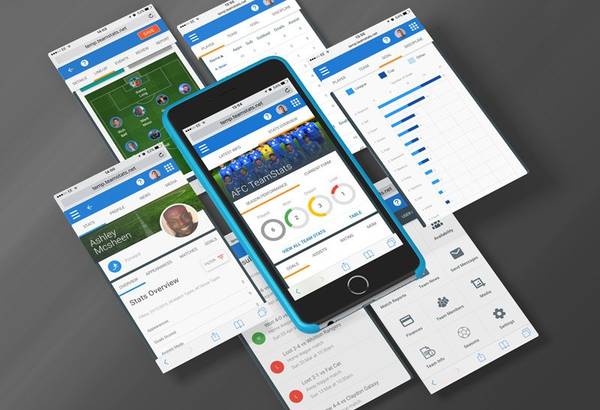
TeamStats addresses the specific pain points that drive grassroots clubs away from spreadsheets. The platform combines availability management, fixture coordination, and team communication in a mobile-first interface designed for volunteer managers juggling work, family, and football responsibilities.
Automated availability tracking eliminates the WhatsApp chaos that consumes manager time each week. Parents receive push notifications requesting responses, then confirm attendance through simple yes/no buttons. Managers see real-time response rates and send targeted reminders to non-responders without manually tracking who's replied.
The fixture management system syncs with league calendars and sends automated notifications with venue details linked directly to mapping apps. When weather forces late changes, managers update once and every parent receives immediate notification - no group messages, no individual calls, no wondering who missed the update.
TeamStats maintains complete historical records across seasons, enabling proper player development tracking. Statistics, match reports, and performance notes persist through manager transitions. New coaches inherit comprehensive player histories, not scattered paper notes and fading memories.
Making the Transition Decision
The spreadsheet-to-platform migration requires investment - not primarily financial, but in time, attention, and change management. Clubs should make this transition when administrative burden actively limits growth or drives volunteer burnout, not simply because digital platforms exist.
Calculate current administrative costs honestly. Track hours spent on availability chasing, fixture communication, and data management across all teams for one month. Multiply by 12 to estimate annual volunteer time consumption. If that figure exceeds 200 hours annually, spreadsheets cost more than they save.
Consider volunteer retention trajectories. If team managers regularly cite administrative overload as a resignation reason, operational friction threatens club sustainability. Platform investment becomes essential infrastructure, not optional enhancement.
Evaluate growth constraints. Clubs turning away players due to coordination capacity limits face different calculations than stable single-team operations. Platforms that automate routine administration enable expansion without proportional volunteer burden increases.
The transition from spreadsheets to dedicated club platforms represents operational evolution, not technology adoption for its own sake. Grassroots football clubs that make this shift strategically - with clear implementation plans, realistic timelines, and focus on genuine efficiency gains - reclaim volunteer time, reduce coordination friction, and build sustainable foundations for long-term community football development.
Start your club software upgrade with TeamStats to eliminate spreadsheet chaos and build professional management systems that scale with your club's growth.
═══════════════════════════════════════════════════════════════