
Grassroots football matches unfold quickly. A defensive midfielder gets caught too high up the pitch, an opponent exploits space on the flanks, or a striker drops too deep and disrupts attacking flow. By the time most managers spot these patterns from the touchline, several minutes have passed and the opposition has already capitalised on the weakness.
Live football data transforms how managers respond during matches. Rather than relying solely on what the eye can catch in real-time, digital tools now provide immediate insights into possession patterns, player positioning, and tactical effectiveness. This technology, once reserved for professional clubs, has become accessible to grassroots teams through platforms like TeamStats, enabling volunteer coaches to make informed tactical adjustments whilst matches are still in progress.
Why Live Data Matters in Grassroots Football
Traditional grassroots coaching relies on observation, intuition, and experience. Managers watch the match, identify problems, and make substitutions or tactical changes based on what they've seen. This approach works, but it has limitations. The human eye can only track so much simultaneously - particularly when managing a team, communicating with parents, and monitoring player welfare all at once.
Live football data fills these gaps by tracking metrics that might otherwise go unnoticed. A manager might sense that the team is struggling to maintain possession, but live data quantifies this precisely - showing that possession has dropped from 55% in the first 15 minutes to 38% in the subsequent period. This concrete information validates instincts and provides clarity about where adjustments are needed.
For youth teams, this data becomes especially valuable. Young players often struggle to communicate what's happening on the pitch during breaks. A simple question like "What's going wrong?" typically yields responses of "I don't know" or "They're just better than us." Live football data gives managers specific talking points - "They're winning the ball in midfield because we're leaving too much space between our lines" - that players can actually understand and respond to.
Key Metrics for Real-Time Coaching Decisions
Not all data proves equally useful during matches. Managers working with limited time during half-time or water breaks need metrics that directly inform tactical adjustments. Several measurements stand out as particularly actionable for grassroots football.
Possession Statistics
Possession percentages reveal whether a team is controlling the match or spending most of the time defending. More importantly, tracking possession by thirds of the pitch shows where a team is controlling the ball. A side might have 60% overall possession but only 20% in the attacking third - indicating they're dominating in safe areas but struggling to create genuine chances.
This distinction matters for coaching adjustments. If possession is high in defensive areas but low in attacking zones, the solution isn't to "push forward more" - it's to improve passing quality in transition or adjust positioning to create better passing lanes. Using a football team app to track these metrics during matches provides the evidence needed to make specific tactical changes rather than generic encouragement.
Shot and Chance Creation Data
Goals often mislead. A team might be losing 1-0 despite creating better opportunities, or winning 2-1 despite being outplayed. Live football data on shots, shots on target, and chance quality helps managers distinguish between poor finishing and genuine tactical problems.
When a team has taken eight shots but only one on target, the issue isn't necessarily about shot selection - it might indicate that players are shooting under pressure because they lack support in the final third. This insight prompts different adjustments than if the team has created no shots at all, which would suggest deeper structural problems in the build-up play.
Defensive Actions and Pressure
Tracking where a team wins the ball back reveals defensive effectiveness. A side that consistently wins possession in their own penalty area is defending too deep, inviting pressure. Conversely, winning the ball frequently in the opposition's half indicates successful high pressing.
These patterns often shift during matches as players tire or opponents adjust their approach. A team that starts by pressing effectively but gradually drops deeper might need fresh legs in midfield or a tactical tweak to maintain their defensive line. Live football data makes these shifts visible before they result in conceded goals.
Making Half-Time Adjustments Based on Data
Half-time provides the primary opportunity for meaningful tactical changes. Fifteen minutes allows managers to review data, identify patterns, and communicate adjustments. The challenge lies in translating numbers into actionable coaching points that young players can implement.
Translating Data into Player Instructions
Raw statistics mean little to most grassroots players. Telling an under-14 team that their "pass completion rate in the middle third is 62%" generates blank stares. Effective use of live football data requires translation into concrete instructions.
If data shows low possession in attacking areas, the message becomes: "When we win the ball, our forwards need to check to the ball more often to give midfielders a passing option." If shots on target are low, the instruction might be: "Take an extra touch before shooting to get the ball out of your feet." These specific directions, informed by data, prove far more effective than vague encouragement to "play better."
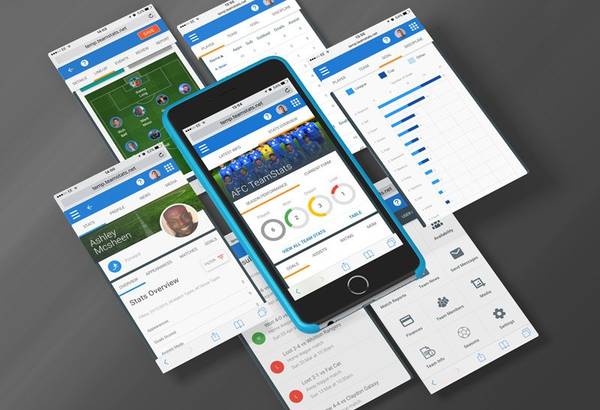
For teams using football coaching apps, managers can show visual representations of where possession is being lost or where defensive gaps are appearing. Visual evidence reinforces verbal instructions, particularly for players who struggle with abstract tactical concepts.
Prioritising Adjustments
Data often reveals multiple issues simultaneously. A team might be struggling with possession, creating few chances, and defending poorly in wide areas. Attempting to fix everything at half-time overwhelms players and typically results in fixing nothing.
Effective managers prioritise one or two key adjustments based on which changes will have the greatest impact. If defensive problems are causing the team to spend most of the match defending, addressing defensive shape takes priority over attacking improvements. If the team is controlling possession but not creating chances, tactical adjustments to attacking positioning become the focus.
Live football data helps identify which problem is most urgent. A team conceding numerous shots faces a more pressing issue than a team creating few chances whilst remaining defensively solid. The data provides objectivity that helps managers avoid emotional reactions to individual moments - like a single defensive error - that might not reflect broader patterns.
In-Match Adjustments Without Stopping Play
Half-time isn't the only opportunity for tactical changes. Effective managers make continuous adjustments throughout matches, responding to evolving patterns as they emerge. Live data supports these in-match corrections by highlighting problems before they become critical.
Substitutions Informed by Performance Data
Substitution decisions often rely on subjective assessment - a player "looks tired" or "isn't having a good game." Live football data adds objectivity to these choices by tracking metrics like distance covered, successful tackles, and passing accuracy.
A central midfielder might appear to be working hard but data reveals they're completing only 45% of their passes - well below their usual 70% rate. This indicates either fatigue or an opponent successfully pressing them, suggesting a substitution could improve team performance. Conversely, a player who seems quiet might actually be performing their defensive duties effectively, with data showing numerous successful interceptions that weren't obvious from the touchline.
For grassroots teams with limited substitutes, these decisions carry extra weight. Bringing off the wrong player can worsen problems rather than solve them. Data-informed substitutions increase the likelihood of positive impact.
Communicating Adjustments During Play
Shouting instructions from the touchline rarely works as intended. Players focused on the match struggle to process complex tactical information whilst running. Effective in-match adjustments require simple, clear messages that address specific situations.
When data shows an opponent repeatedly exploiting space behind the right-back, the instruction becomes: "Number seven, drop five yards deeper when they have the ball." When possession statistics reveal the team is rushing passes in midfield, the message is: "Take an extra touch before passing." These specific directions, informed by patterns visible in live football data, prove more effective than general encouragement.
Some team management platforms allow coaches to communicate tactical adjustments to players wearing GPS trackers or smart devices, though this technology remains uncommon in grassroots football. For most volunteer managers, the value lies in using data to identify what needs changing, then communicating those changes through traditional methods during stoppages.
Post-Match Analysis for Future Improvements
The value of live football data extends beyond individual matches. Patterns that emerge across multiple fixtures reveal deeper tactical issues or areas where player development is needed. A team that consistently loses possession in midfield might need training focused on passing under pressure. A side that creates few chances despite controlling possession requires work on attacking movement and positioning.
Recording and reviewing data from multiple matches helps managers identify these patterns. A single match where the team completes only 55% of their passes might reflect a particularly strong opponent or poor pitch conditions. If passing accuracy remains consistently below 60% across five matches, it indicates a genuine area for improvement.
This longitudinal view also tracks player development. A young defender who completes 40% of their tackles in September but 65% by December demonstrates clear improvement. Recognising and celebrating this progress motivates players and validates training methods. For grassroots teams where winning isn't everything, data provides alternative measures of success that emphasise development over results.
Balancing Data with Coaching Instinct
Technology enhances coaching but doesn't replace it. The most effective use of live football data combines quantitative insights with qualitative judgment - using numbers to validate instincts, challenge assumptions, and identify blind spots whilst maintaining the human elements that make grassroots football meaningful.
When to Trust the Data
Data proves most valuable when it contradicts initial impressions. A manager might feel their team dominated a match they lost 2-1, and data showing 62% possession, 15 shots to the opponent's 6, and twice as many attacking third entries validates this impression. This information helps players understand they performed well despite the result, maintaining confidence rather than becoming demoralised.
Conversely, data might reveal uncomfortable truths. A team that feels they "deserved something" from a match might discover they created only two genuine chances despite having lots of possession in non-threatening areas. This reality check helps managers address actual problems rather than blaming bad luck or referee decisions.
When to Trust Your Instincts
Numbers don't capture everything. A player might have poor statistical output but provide leadership that lifts teammates. A tactical approach might generate good numbers but fail to suit a team's personnel or playing style. Data informs decisions but shouldn't dictate them entirely.
Grassroots football prioritises player development, enjoyment, and participation over winning. A manager might choose to play a less effective formation because it gives more players opportunities in their preferred positions. They might persist with a struggling player because the experience helps their development. These decisions, whilst potentially reducing short-term performance, align with grassroots football values that data alone cannot quantify.
The most effective approach uses live football data as one tool among many - valuable for identifying patterns, validating observations, and measuring progress, but always filtered through the manager's understanding of their players, opponents, and broader objectives.
Implementing Live Data in Grassroots Teams
Adopting data-driven coaching requires minimal technical expertise but does need some planning. Most grassroots teams can begin tracking basic metrics immediately using smartphones and simple apps, then gradually incorporate more sophisticated analysis as they become comfortable with the approach.
Starting Simple
Teams new to data analysis should begin with a handful of basic metrics: possession percentage, shots on target, and corners won. These measurements require minimal tracking effort but provide useful insights. One parent or assistant coach can record these statistics during matches using a phone or tablet, then share them with the manager at half-time and full-time.
As teams become comfortable with basic tracking, they can add more detailed metrics like successful passes, tackles won, or possession by thirds. The key is maintaining consistency - tracking the same metrics in every match to enable meaningful comparisons over time.
Using Purpose-Built Technology
Whilst basic tracking works, purpose-built platforms offer significant advantages. Apps designed for grassroots football automate data collection, calculate statistics in real-time, and present information in accessible formats that busy volunteer managers can quickly interpret during matches.
TeamStats provides these capabilities specifically for grassroots teams, tracking match statistics, player performance, and tactical patterns without requiring professional-level equipment or expertise. The platform displays live football data in formats that make sense for volunteer coaches, highlighting actionable insights rather than overwhelming users with unnecessary complexity.
Training Players to Understand Data
Young players benefit from understanding the metrics used to assess their performance. Taking time during training to explain what statistics mean and why they matter helps players connect data to their on-pitch actions. A midfielder who understands that passing accuracy measures how often they successfully complete passes becomes more conscious of their decision-making during matches.
This education needn't be complex. Simple explanations - "We track shots on target because hitting the target gives us a chance to score, whilst missing the target wastes the opportunity" - suffice for most youth players. The goal is helping players see data as a tool for improvement rather than judgment.
Conclusion
Live football data has fundamentally changed how managers approach tactical decision-making during matches. Rather than relying solely on observation and instinct, grassroots coaches can now access objective information about possession patterns, chance creation, and defensive effectiveness whilst matches are still in progress. This technology enables more informed substitutions, targeted half-time adjustments, and specific coaching instructions that address actual problems rather than perceived ones.
For volunteer managers juggling multiple responsibilities on match days, data provides clarity amidst chaos. Instead of trying to watch 14 players simultaneously whilst managing parents and monitoring player welfare, coaches can review concrete statistics that highlight where adjustments are needed. This efficiency proves particularly valuable for parent-coaches with limited tactical experience, as data validates instincts and reveals blind spots that might otherwise go unnoticed.
The key to effective implementation lies in balancing quantitative insights with qualitative judgment. Data informs decisions but doesn't make them. The most successful grassroots managers use live football data to enhance their coaching rather than replace it - combining statistical analysis with their understanding of players, opponents, and the broader objectives of youth football development.
Ready to implement data-driven coaching? Discover how TeamStats provides live match statistics that help grassroots managers make informed tactical adjustments and track player development throughout the season.
═══════════════════════════════════════════════════════════════