
Running a football club means juggling dozens of tasks every week. Training schedules change, players drop out at the last minute, parents need updates, and someone still hasn't paid their match fees. Sound familiar?
Most clubs handle these challenges with a patchwork of tools - WhatsApp groups for communication, spreadsheets for finances, email chains for availability, and paper forms for match reports. It works, sort of. But it's exhausting, time-consuming, and prone to mistakes that cost hours of fixing.
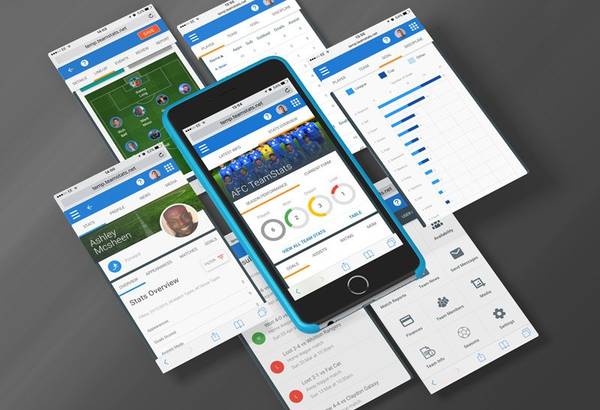
A team management app brings everything into one place. It's not about adding technology for technology's sake - it's about giving coaches, managers, and volunteers their time back so they can focus on what actually matters: developing players and building a strong team culture. TeamStats provides exactly this kind of centralized solution for grassroots clubs across the UK.
The Real Cost of Scattered Systems
When managing a team across five different platforms, information gets lost. A player confirms availability in a WhatsApp message that scrolls out of view. A parent emails about a payment but the message isn't seen until three days later. An assistant coach updates the lineup in their personal notes but forgets to share it.
These aren't dramatic failures - they're small cracks that widen over time. Clubs show up to matches thinking they've got eleven players, only to discover two didn't realize they were selected. Managers spend twenty minutes before kickoff frantically calling parents.
The administrative burden falls hardest on volunteer managers and coaches who already give up evenings and weekends. They're not paid staff with dedicated admin time - they're parents, teachers, and professionals squeezing football team management into lunch breaks and late nights.
A centralized platform eliminates this fragmentation. Everyone checks the same system for schedules, availability, team selection, and updates. No more "I didn't see that message" or "I thought training was cancelled."
How Modern Clubs Organize Everything
Picture a typical Saturday morning at a grassroots club. The U12s manager arrives early to set up, checking her phone to confirm which players are coming. She's already sent three reminder messages this week through different channels - WhatsApp to most parents, text to a few who aren't in the group, email to one family who specifically requested it.
Now imagine the same scenario with proper football team management software. She opens one app and sees exactly who's available, who's injured, and who hasn't responded yet. She sends a single notification that reaches every parent through their preferred method. The system automatically reminds anyone who hasn't confirmed.
That's fifteen minutes saved before she's even left home. Multiply that across every training session, every match, every team in the club, and clubs are looking at hundreds of hours reclaimed each season.
Here's what a good platform handles:
Scheduling and availability tracking - Create events, collect responses, send automatic reminders
Team selection and lineups - Build formations visually, plan substitutions, share with players
Match reports and statistics - Record goals, assists, and performance data in minutes
Financial management - Track payments, send reminders, generate reports for treasurers
Communication - Reach everyone instantly without maintaining multiple group chats
Club directories - Access contact details, medical information, and player records securely
The leagues directory shows over 1,200 grassroots competitions already using these tools - from the East Manchester Junior Football League with 300+ teams to smaller local associations.
Why Availability Management Changes Everything
Ask any coach what causes them the most stress, and availability uncertainty sits near the top. Tactics or formations can't be planned when coaches don't know who's playing. Transport can't be organized when numbers keep changing. Matches can't even be confirmed if clubs are unsure they'll have enough players.
Traditional methods fail here because they rely on parents remembering to respond. A WhatsApp message in a busy group chat gets buried. An email sits unread. People genuinely forget, not through malice but because life gets hectic.
Automated systems solve this through persistence and visibility. When creating a match event, parents receive a notification asking them to confirm availability. If they don't respond within 48 hours, they get a gentle reminder. If they still don't respond, managers can see at a glance who needs a direct follow-up.
The system also remembers patterns. If a player consistently can't make Tuesday training, the platform flags this so managers aren't surprised when they're unavailable again. If someone marks themselves as injured, recovery and expected return dates can be tracked.
For clubs running multiple teams, this becomes even more critical. A player might be registered for the U14s but occasionally needed for the U15s. Coordinating across age groups without double-booking players requires visibility that spreadsheets simply can't provide.
Building Better Match-Day Experiences
Match day should be about football, not frantic administration. Yet too many coaches spend the hour before kickoff dealing with avoidable chaos - printing teamsheets, confirming who's actually turned up, explaining to confused parents why their child isn't starting.
A proper platform transforms this. Players and parents arrive knowing exactly what to expect because they've seen the lineup in advance. The coach has already planned substitutions based on who's available. The referee gets a properly formatted teamsheet with all required information.
After the match, recording what happened takes minutes rather than hours. Goals, assists, disciplinary actions, and performance notes go straight into the system. This data builds over time, giving clubs genuine insights into player development and team patterns.
The best football formations become easier to implement when clubs can visualize them digitally and share them with players. Players see their exact position and responsibilities before stepping onto the pitch. For younger age groups using 7-a-side football formations or 9-a-side tactics, this visual clarity accelerates understanding.
The Financial Side Nobody Talks About
Running a football club costs money - match fees, equipment, pitch hire, referee payments, league registration. Someone needs to collect these payments, track who's paid, chase those who haven't, and produce accounts that satisfy league requirements and club committees.
This responsibility typically falls to a volunteer treasurer who didn't necessarily sign up for bookkeeping duties. They inherit a mess of cash payments, bank transfers with unclear references, and incomplete records from previous seasons.
Integrated financial tools bring transparency and accountability. Parents can see what they owe and pay directly through the platform. The system automatically records transactions and matches them to specific players. Outstanding balances are visible to both families and club officials.
This matters more than many realize. Clubs operating across multiple age groups can involve hundreds of families and thousands of pounds in annual turnover. Without proper systems, money goes missing - not through theft, but through disorganization. A parent thinks they've paid but can't prove it. A cash payment never gets recorded. A bank transfer sits unallocated for months.
League bodies increasingly expect proper financial governance from affiliated clubs. The Midland Junior Premier League and similar competitions require annual accounts and transparent fee structures. Meeting these standards is far easier when financial data is already organized digitally.
Communication That Actually Reaches People
Every club has that parent who claims they never received important information. Sometimes they're right - messages do get lost in overflowing inboxes or busy WhatsApp groups. Sometimes they genuinely missed it among fifty other notifications that day.
The problem isn't necessarily the parents - it's the fragmented communication channels. When using WhatsApp for urgent updates, email for official notices, text messages for last-minute changes, and a Facebook group for general chat, important information inevitably slips through gaps.
A centralized platform creates a single source of truth. Every announcement goes through one system. Parents receive notifications through their preferred channel - push notification, email, or SMS - but the message originates from one place. Managers can see who's read what, and who needs a follow-up.
This becomes crucial for safeguarding and compliance. If clubs need to communicate a policy change, a welfare concern, or an emergency, they need certainty that every parent received and acknowledged the information. Digital systems provide that audit trail in ways that informal group chats never can.
The communication benefits extend beyond parents. Coaching staff can share training plans, tactical notes, and player feedback privately. Committees can coordinate club business without endless email chains. Safeguarding officers can distribute required documents and confirm everyone's completed mandatory training.
Making Player Development Visible
Youth football isn't just about winning matches - it's about developing players over months and years. But how can development be tracked when records consist of scattered notes and hazy memories?
Coaches who work with the same players across multiple seasons notice patterns that inform training priorities. This midfielder's passing accuracy has improved dramatically. That striker scores regularly but rarely assists. This defender struggles in one-on-one situations but excels at reading the game.
Digital platforms turn these observations into data. Not cold, impersonal statistics that reduce players to numbers, but structured records that support better coaching decisions. Coaches can review a player's progress over six months and identify specific areas where they've grown or where they need more support.
For clubs thinking about grassroots football fundraising ideas, demonstrating player development to parents and potential sponsors becomes much easier when clubs can show tangible progress. Families are more willing to support clubs that clearly invest in their children's growth.
This matters especially for clubs affiliated with leagues like the Teesside Junior Football Alliance or Eastern Junior Alliance, where player development pathways can lead to representative opportunities. Having organized records of performance and progress supports these transitions.
What Parents Actually Want
Parents aren't asking for complicated technology. They want simple answers to basic questions: When's the next match? Is their child playing? What time do they need to be there? How much do they owe?
They're tired of scrolling through hundreds of WhatsApp messages to find essential information. They're frustrated by last-minute changes communicated through channels they don't check regularly. They're embarrassed when their child arrives expecting to play only to discover they weren't selected.
A good platform respects parents' time and attention. They download one app, receive clear notifications about what matters to them, and can check schedules whenever convenient. They're not forced into group chats they find overwhelming or expected to monitor multiple platforms.
This improves retention and reduces friction. When families find club administration straightforward and professional, they're more likely to stay involved season after season. When they're constantly confused and playing catch-up, they start looking at other clubs or sports entirely.
Understanding what is grassroots football means recognizing it's built on volunteer effort and family commitment. Anything that makes participation easier strengthens the entire ecosystem.
The Multi-Team Club Advantage
Single-team organizations can sometimes manage with basic tools. But clubs running five, ten, or twenty teams across different age groups face exponentially more complex coordination challenges.
Coaches need to share facilities and equipment. Players might train with multiple age groups. Volunteers often support several teams. The committee oversees everything while ensuring consistent policies and standards across the club.
Without integrated systems, this becomes impossibly messy. Double-bookings happen constantly. Equipment goes missing because nobody knows who borrowed it. One team follows completely different procedures from another, creating confusion and occasional conflicts.
A proper platform gives club administrators visibility across all teams while letting individual coaches manage their specific groups. The chairman can see which pitches are booked when. The equipment manager knows exactly who has what. The welfare officer can ensure every coach has completed required safeguarding training.
This organizational clarity matters for league compliance too. Competitions like the Milton Keynes & District Development League and Northampton & District Youth Alliance League expect clubs to maintain proper records and meet governance standards. Multi-team clubs find this far easier with centralized systems.
Why TeamStats Works for Real Clubs
The difference between software that helps and software that creates more work comes down to design philosophy. Tools built by people who've never managed a grassroots team tend to overcomplicate things or miss crucial features entirely.
TeamStats emerged from understanding what actually happens at clubs every week. Coaches don't have time for complicated interfaces - they need to create a match event and collect availability in under two minutes. Parents won't adopt another app unless it genuinely makes their lives easier. Treasurers require financial tools that satisfy league auditors without requiring accounting degrees.
The platform handles everything from scheduling to statistics, but it's designed so clubs can adopt features gradually. Start with availability tracking because that's the biggest headache. Add financial management when ready. Explore advanced analytics once the basics are running smoothly.
Whether managing a single team in the Sunday League or coordinating dozens of squads, the system scales to match needs. The interface stays simple even as functionality expands.
Making the Transition
Moving from scattered systems to integrated software sounds disruptive, but it doesn't have to be. The key is starting small and proving value quickly.
Begin with one team and one feature - typically availability tracking because it delivers immediate time savings. Once coaches and parents experience how much easier this makes match preparation, they're receptive to adopting other features.
The transition period requires clear communication. Parents need to understand why systems are changing and what benefits they'll see. Provide simple instructions for downloading the app and setting up accounts. Offer support for anyone who struggles with technology.
Most clubs find adoption happens faster than expected. Parents appreciate having one place for all team information. Coaches love reclaiming hours previously spent on admin. Committee members gain visibility and control they never had with spreadsheets and group chats.
Within a month, the new system becomes normal. Within three months, nobody wants to go back to the old way.
The Broader Impact on Grassroots Football
When individual clubs adopt better management systems, the benefits ripple outward. Leagues find it easier to coordinate fixtures and collect results. Referees receive properly formatted teamsheets. County FAs can better support clubs that maintain organized records.
This professionalization of grassroots administration doesn't mean losing the community spirit that makes local football special. It means volunteers spend less time on tedious admin and more time actually working with players. It means coaches can focus on coaching rather than chasing payments and availability confirmations.
The Echo Junior Football League and similar competitions have seen how technology can strengthen rather than diminish the grassroots experience. Better organization leads to fewer cancelled matches, clearer communication, and more time for what matters - getting kids playing football.
For clubs thinking about the best age to start playing football, having professional systems in place makes introducing young players smoother. Parents of children just starting out feel more confident joining well-organized clubs.
Conclusion
Football clubs don't need team management platforms because technology is trendy. They need them because the alternative - juggling multiple systems, losing information, and spending countless hours on preventable admin - simply doesn't work anymore.
The clubs thriving at grassroots level aren't necessarily those with the biggest budgets or best facilities. They're the ones that make participation easy for families, support their volunteers with proper tools, and maintain professional standards without losing their community character.
A proper management platform delivers all of this. It saves time, reduces stress, improves communication, and creates better experiences for everyone involved. It turns chaotic match-day preparations into smooth operations. It transforms financial management from a dreaded chore into a transparent, manageable process.
Most importantly, it gives clubs back time to focus on why they got involved in grassroots football in the first place - developing players, building teams, and contributing to local communities. The admin still needs doing, but it no longer dominates every spare moment.
Whether managing a single Sunday League team or coordinating dozens of squads across multiple age groups, the principle remains the same: better organization creates better football. And in 2026, better organization means using tools designed specifically for the challenges grassroots clubs actually face.
Ready to transform how your club operates? Try the team management app and experience the difference centralized football team management can make.
═══════════════════════════════════════════════════════════════