
Youth football thrives on trust. Parents trust coaches to develop their children. Players trust teammates to turn up and give their best. Managers trust volunteers to fulfil their roles. When that trust breaks down - when players miss training without explanation, when parents fail to communicate availability, when commitment wavers - team performance suffers.
The solution isn't stricter rules or frustrated team talks. It's transparency. Shared football stats create a culture where everyone can see the connection between individual commitment and team success. When attendance records, training participation, and match contributions become visible to the squad, accountability stops being something imposed by coaches and becomes something the team owns collectively.
Why Grassroots Teams Struggle With Accountability
Most grassroots football managers face the same frustrations every season. Three players don't show up to Saturday's match without warning. Five miss Thursday training but expect to start at the weekend. Parents complain their child isn't getting enough game time, despite attending only half the sessions.
These aren't isolated incidents. They reflect a deeper problem: without clear data, commitment becomes subjective. Coaches rely on memory to track who attends regularly. Players don't realise how their absences affect team selection. Parents see only their own child's experience, not the broader pattern.
Traditional approaches - stern warnings, blanket policies, or informal mental tallies - rarely work because they lack objectivity. A player dropped for poor attendance might feel unfairly treated if they can't see how their record compares to teammates who made the squad. Parents question selection decisions when they have no visibility of training participation rates.
TeamStats addresses this by making commitment measurable. When attendance, punctuality, and participation become data points rather than impressions, conversations shift from subjective judgement to objective fact.
How Transparency Changes Team Culture
Making statistics visible to players and parents fundamentally changes how teams operate. Instead of the manager being the sole keeper of attendance records and performance data, this information becomes shared knowledge that shapes behaviour naturally.
Players develop self-awareness. When a 14-year-old can see they've attended 12 out of 20 training sessions whilst most teammates have attended 17 or 18, they understand why they're not starting matches. The conversation moves from "why am I on the bench?" to "I need to improve my attendance." This shift - from external blame to internal responsibility - marks the beginning of genuine accountability.
Parents gain context. Many complaints about playing time stem from information gaps. A parent sees their child working hard during the one training session they attend each week, but doesn't realise others are attending two or three sessions. Shared football stats eliminate these blind spots. When parents can see that starting players average 85% training attendance whilst substitutes average 60%, selection decisions make sense without lengthy explanations.
Team standards emerge organically. Rather than managers imposing arbitrary rules, teams develop their own norms based on visible patterns. Players notice that consistent attendees perform better in matches. They see how regular training creates understanding between teammates. These observations, backed by data, create peer accountability that's far more powerful than coach-imposed consequences.
Building a Data-Sharing Framework
Transparency works only when implemented thoughtfully. Simply dumping raw statistics on players and parents without context creates confusion rather than accountability. Effective data sharing requires structure.
Start with attendance tracking. This forms the foundation because it's objective and non-contentious. A team management app records who attends each training session and match, creating an accurate historical record. Unlike memory-based tracking, digital systems capture patterns over weeks and months, revealing trends that might otherwise go unnoticed.
Make this data visible to the squad from the outset. Don't wait until problems emerge to share statistics. When players know from their first session that attendance is tracked and visible, they adjust behaviour accordingly. The data becomes part of team culture rather than a punitive measure introduced during a crisis.
Add training performance metrics. Once attendance tracking becomes normal, expand to qualitative measures. Did players arrive on time? Did they bring proper kit? Did they participate fully in drills? These aren't subjective judgements - they're observable behaviours that coaches can record consistently.
The key is making these metrics simple and clear. A traffic light system works well: green for full participation, amber for partial engagement, red for significant issues. Players can quickly see their own patterns without wading through complex data.
Include match statistics selectively. Goals and assists matter, but grassroots football should track broader contributions. Passes completed, defensive actions, distance covered - these metrics show effort and involvement beyond scoring. Football coaching apps can capture this data efficiently, creating a fuller picture of each player's contribution.
For younger age groups, keep match stats simple. Under-12s benefit more from tracking "positive actions" - successful passes, tackles won, supportive communication - than detailed performance analytics. The goal is encouraging effort and improvement, not creating pressure.
Presenting Data to Players and Parents
How statistics are shared matters as much as what's shared. Data presented poorly creates defensiveness and conflict. Data presented well sparks motivation and commitment.
Make individual stats private, team patterns public. Players should access their own detailed records through an app or portal, but group settings should show only anonymised trends. Display squad-wide training attendance rates, average punctuality, overall participation levels. This shows patterns without singling out individuals publicly.
When discussing team selection, reference these collective benchmarks. "We're selecting players who've attended at least 75% of training sessions this month" gives clear, objective criteria. Players can privately check their own stats to see where they stand without public embarrassment.
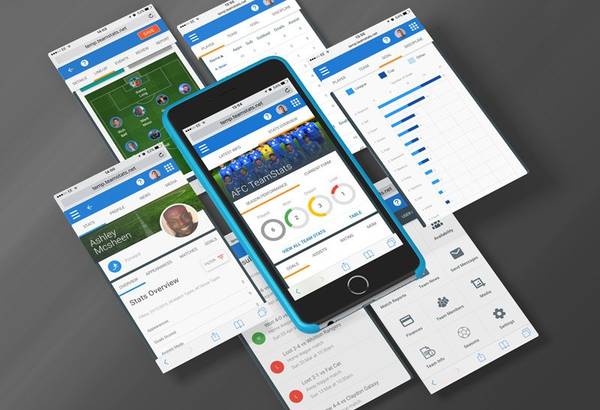
Use visual dashboards. Numbers in spreadsheets overwhelm most people. Graphs, charts, and colour-coded displays communicate patterns instantly. A player who sees their attendance trending downward over three months grasps the issue immediately. A parent viewing a chart showing their child's training participation compared to squad averages understands selection decisions without detailed explanation.
Many grassroots football leagues now expect teams to maintain digital records, making dashboard-style reporting increasingly standard. Parents familiar with fitness apps and workplace analytics understand this format intuitively.
Schedule regular review sessions. Rather than only discussing stats when problems arise, build quarterly reviews into the season structure. Sit with each player for 10 minutes to review their attendance, training performance, and match contributions. Celebrate improvements, identify patterns, set goals for the next period.
These conversations work best when data sits between coach and player - literally. Pull up their stats on a tablet, review together, and ask what they notice. "You attended every session in September but missed half in October - what changed?" Often players identify obstacles coaches hadn't considered: homework pressure, family commitments, transport issues. The data becomes a starting point for problem-solving rather than accusation.
Creating Accountability Without Pressure
The line between healthy accountability and excessive pressure requires careful navigation, especially with youth players. Shared football stats should motivate improvement, not create anxiety.
Focus on trends, not single instances. Missing one training session doesn't matter. Missing eight out of ten signals a pattern requiring attention. When reviewing stats with players, emphasise trajectories. "Your attendance has improved significantly this term" reinforces positive change. "Let's work on consistency over the next month" sets achievable goals without dwelling on past lapses.
Celebrate progress publicly, address concerns privately. Team meetings should highlight collective improvements and individual successes. "Squad attendance is up 15% this month - brilliant commitment from everyone." Private conversations handle declining patterns or persistent issues. Public recognition motivates; public criticism damages.
Link stats to development, not just selection. Whilst playing time naturally correlates with commitment, frame statistics primarily as development tools. "Players who attend regularly improve faster because they get more coaching" focuses on growth. "You need 80% attendance to make the squad" makes stats feel punitive. The first statement is equally true but positions data as serving the player's interests.
For younger age groups, youth football development prioritises participation over competition. Under-10s should see stats as fun tracking of their football journey - sessions attended, skills practised, matches played - rather than performance evaluation. The accountability culture develops gradually as players mature.
Handling Difficult Conversations With Data
Even with transparent systems, managers face challenging discussions about commitment and selection. Shared football stats make these conversations more productive by grounding them in objective reality.
Lead with questions, not accusations. "I've noticed your attendance has dropped to 40% over the last six weeks - can you help me understand what's happening?" invites explanation. "Your attendance is unacceptable" triggers defensiveness. The data is identical; the approach determines whether the conversation leads to resolution or conflict.
Let players and parents explain patterns before offering solutions. Sometimes legitimate reasons - injury recovery, exam pressure, family circumstances - explain declining commitment. Other times, competing interests like other sports or social activities have gradually taken priority. Understanding the cause shapes the response.
Use comparative data carefully. Showing a player that teammates attend more regularly can motivate, but risks creating resentment if handled poorly. Frame comparisons around team standards rather than individual competition. "Most of our regular starters attend 80-85% of sessions" sets a benchmark without naming names. "Jake attends more than you do" creates interpersonal tension.
Document agreements. When conversations lead to commitments - "I'll attend every Tuesday and Thursday for the next month" - record these in the same system tracking attendance. Follow-up reviews reference these agreements objectively. "You committed to attending eight sessions this month and you've made seven - that's excellent follow-through" reinforces accountability through recognition.
Extending Accountability Beyond Players
Whilst player commitment matters most, team success requires accountability from everyone involved. Shared football stats should track volunteer contributions, parent support, and organisational effectiveness.
Track volunteer roles. Grassroots teams rely on parents to run the line, wash kits, organise transport, and handle dozens of other tasks. When these commitments are visible - who's covered which matches, who's consistently stepped up, who's rarely available - it creates accountability among adults too. A parent who's never volunteered might reconsider after seeing that 15 other families have each helped three or four times.
Monitor communication effectiveness. How quickly do parents confirm availability? What percentage respond to match-day messages? These metrics reveal whether communication systems work. If 40% of parents consistently don't respond to availability requests, that signals a process problem requiring attention. Perhaps messages get lost in busy group chats, or the timing doesn't suit most families.
Measure organisational consistency. Are training sessions starting on time? Are match details communicated with enough notice? Is kit distribution running smoothly? Just as players benefit from seeing their own patterns, managers improve by tracking operational metrics. A football team app that logs when information goes out and how teams respond helps identify what's working and what needs adjustment.
Building Long-Term Commitment Through Transparency
The most powerful aspect of shared football stats isn't catching poor commitment - it's building excellent commitment. When players see their own improvement over months and seasons, they develop pride in their consistency.
Create milestone recognition. Celebrate when players reach 50 training sessions attended, 100% attendance over a term, or significant improvement in participation rates. These achievements, visible in team statistics, become sources of pride. Players who might not be the most skilled can still earn recognition for outstanding commitment.
Show historical trends. Let older youth players see their attendance and performance data from previous seasons. A 15-year-old who can look back at five years of records sees their own development journey. They notice how their commitment increased as they moved through age groups, or how a period of excellent attendance coincided with their best performances. This historical perspective builds maturity and self-awareness.
Connect individual commitment to team success. Aggregate statistics can reveal powerful correlations. "In matches where we had 80%+ training attendance the previous week, we won 70% of the time" shows players directly how their collective commitment affects results. "When our squad averages 85% attendance, we concede 30% fewer goals" demonstrates the defensive benefit of training together regularly. These insights, drawn from the team's own data, carry far more weight than generic coaching advice.
Practical Implementation Steps
Implementing a statistics-sharing system requires planning, but the process needn't be complex. Start small, build gradually, and adjust based on what works for your specific team culture.
Begin with a trial period. Introduce attendance tracking for one month, explaining to players and parents that you're testing a new approach to help everyone understand team commitment patterns. This trial framing reduces resistance - people accept experiments more readily than permanent changes.
Gather feedback. After the trial month, ask players and parents what they found helpful and what felt uncomfortable. Young players might love seeing their own stats but feel embarrassed by public comparisons. Parents might appreciate transparency but worry about their child's data privacy. Use this feedback to refine your approach before full implementation.
Set clear privacy boundaries. Establish rules about who can see what data. Typically, players access their own detailed stats, parents see their child's records, and coaches view squad-wide information. Make these boundaries explicit and respect them consistently. Trust in the system depends on predictable, appropriate data sharing.
Integrate with existing tools. Most teams already use messaging apps, email, or social media for communication. Link statistics sharing to these familiar platforms rather than requiring everyone to learn completely new systems. Modern team management platforms integrate with common communication tools, making data accessible without adding complexity.
Review and adjust quarterly. What works in pre-season might need modification mid-season. Player feedback, parent questions, and your own observations will reveal opportunities for improvement. Treat your statistics-sharing system as evolving rather than fixed, adjusting based on experience.
Conclusion
Shared football stats transform accountability from something imposed by authority figures into something owned collectively by teams. When players can see how their commitment compares to teammates, when parents understand selection decisions through objective data, when volunteers recognise patterns in their own contributions, responsibility becomes self-evident rather than externally enforced.
The shift requires thoughtful implementation. Statistics must be presented clearly, discussed constructively, and focused on development rather than punishment. Privacy needs protection, comparisons need careful framing, and younger players need age-appropriate approaches. But when done well, transparency through shared data creates team cultures where accountability feels natural rather than forced.
Teams using TeamStats report fewer conflicts about selection, improved training attendance, and stronger commitment from players and parents alike. The data doesn't create these improvements directly - it creates the visibility that allows teams to recognise patterns, address issues early, and celebrate consistent effort.
Grassroots football works best when everyone involved - players, parents, coaches, volunteers - understands their role in collective success. Shared football stats make those connections visible, turning abstract concepts like "commitment" and "accountability" into concrete patterns that teams can see, discuss, and improve together. The result isn't just better organisation or easier team management, though those benefits matter. The result is a culture where doing your bit for the team becomes the obvious choice, because everyone can see what happens when people consistently show up and give their best.
═══════════════════════════════════════════════════════════════