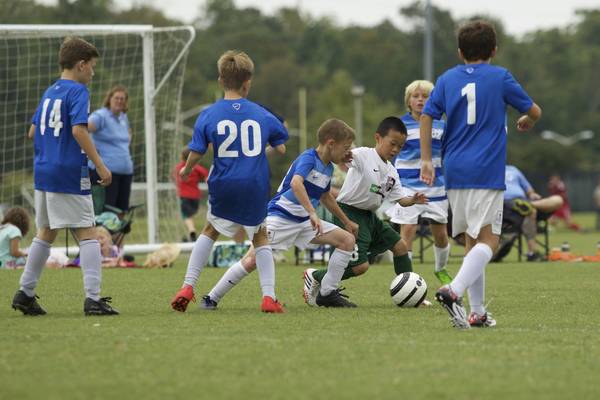
Pitch hire, kit, referees, insurance: grassroots clubs are paying more for all of it at once. Nearly one in five clubs (18%) now spends more than £1,000 a week to keep going, up from 13% a year earlier, according to FORZA's 2026 State of Grassroots Football report, which surveyed 409 clubs across the UK between 1st and 17th July.
Pitch hire is doing most of the damage. Some 83% of clubs have seen it go up, half name it as the cost that rose most in the past year, and only 15% own their ground outright, leaving the rest at the mercy of councils, landlords and leases.
The money coming in has not kept pace, and some of the grant money that does reach clubs starts life as a lottery ticket. Every lottery pound is split the same way online casino stakes are measured: the share that goes back to players as winnings, and the share that stays behind.

How Much of a National Lottery Pound Comes Back
Only 23% of clubs in the FORZA survey use grants or government money at all, with player subs (88%), sponsorship (71%) and fundraisers (52%) doing the heavy lifting. Much of the public money that does flow comes through the Football Foundation, whose government share arrives via Sport England, itself part-funded by the National Lottery. DCMS figures put 56p of every £1 spent on the lottery back in players' pockets as prizes, with 23p going to good causes.
That good causes pot is under pressure. It received £377.2m in the first quarter of 2026-27, 22.2% less than a year earlier and the lowest quarterly figure in eight years, which leaves less in the fund that community sport draws on.
Payout Rates From Lottery Tickets to Casino Slots
The 56p prize share is, in effect, the lottery's payout rate. Online casinos are measured the same way through return to player (RTP), which compares everything a casino's games pay out in winnings with everything staked across its whole catalogue. Among high-payout casino platforms, that RTP figure sits beside the other basics.
Third-party testers such as eCOGRA check many casinos' RTP figures on a regular basis. The real difference from the lottery is where the rest of the stake ends up: at a casino it is the operator's margin, while the lottery sets a share aside for good causes, grassroots football included.
Higher Subs and Volunteers Paying Out of Pocket
With grants hard to come by, clubs are closing the gap themselves. FORZA found 54% have raised player subs, 68% lean harder on fundraising and 65% on sponsorship, while three in ten (30%) depend on volunteers and officials putting in their own money.
Kit costs have risen for 81% of clubs, referee fees for 61% and affiliation and league fees for 52%. Each one looks manageable on its own, but the rising cost of grassroots football multiplies quickly once a single pitch bill is repeated across every team a club runs.
Getting Every Pound of Subs Collected
When subs are carrying more of the load, every unpaid one matters. TeamStats lets players pay subs and match fees by debit or credit card straight into the club's bank account and can chase unpaid balances automatically, so the treasurer is not left covering the referee from their own wallet.
Despite the squeeze, 78% of clubs in the survey say they are optimistic about their own future. From a lottery ticket behind the next grant to a weekly pitch invoice, every club now runs on the question an RTP figure answers at an online casino: how much of each pound comes back, and where the rest goes.