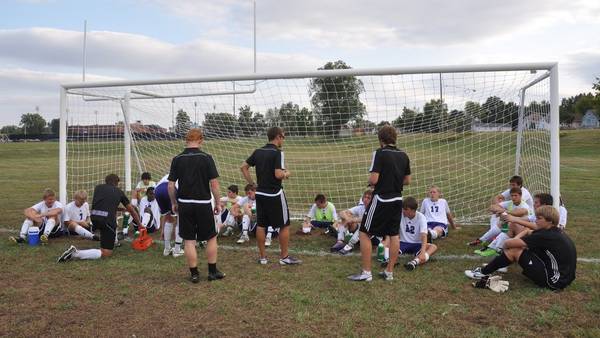

Grassroots football clubs thrive when they become genuine community hubs rather than just places where children train once a week. The difference between a struggling club and one with a waiting list often comes down to how deeply embedded it is in the local area. Strong community connections translate into volunteer helpers, sponsor support, better facilities, and a sustainable future for the club.
Building this level of support requires deliberate effort. Clubs that simply run training sessions and matches without engaging the wider community miss opportunities to create lasting relationships. The most successful grassroots clubs understand that football community growth happens through consistent, meaningful engagement with parents, local businesses, schools, and community organisations.
Understanding What Your Community Actually Needs
Before launching initiatives to strengthen local support, clubs need to understand what their community values. Many clubs make the mistake of assuming they know what parents and local residents want without actually asking them.
The reality is that different communities have different priorities. Some areas desperately need safe spaces for young people. Others value competitive opportunities or social inclusion programmes. Understanding these nuances shapes how a club positions itself within the local area.
Successful clubs conduct informal surveys with parents at the start of each season. Simple questions about what families value most - skill development, social connections, competitive opportunities, or simply affordable activities - reveal what matters to the people the club serves. This intelligence guides everything from training focus to communication style.
Local schools provide valuable insights too. Conversations with PE coordinators often highlight gaps in provision that a football club can fill. Perhaps the school struggles to field teams for inter-school competitions, or lacks qualified coaches for after-school programmes. These gaps represent opportunities for clubs to become essential community partners rather than just another activity provider.
Creating Genuine Partnerships with Local Schools
Schools represent the most natural partnership opportunity for grassroots clubs, yet many fail to capitalise on this relationship. The key is offering genuine value rather than simply trying to recruit players.
Providing qualified coaches for curriculum PE lessons builds credibility. When clubs offer this service at minimal or no cost, schools gain access to specialist coaching whilst clubs demonstrate their commitment to youth development beyond their own players. This approach positions the club as a community asset rather than a competitor for children's time.
After-school clubs run in partnership with schools create a pathway for children who might never otherwise try organised football. These sessions work best when they focus on fun and inclusion rather than talent identification. The goal is introducing children to football in a low-pressure environment, with the understanding that some will naturally progress to club teams.
Holiday camps delivered at school facilities keep children active during breaks whilst giving parents affordable childcare options. Clubs that run these programmes successfully charge reasonable rates, employ DBS-checked coaches, and maintain the same safeguarding standards as term-time activities. The revenue generated helps sustain club operations whilst serving families who might struggle to afford private holiday clubs.
Football coaching apps help clubs manage these school partnerships efficiently. Tracking attendance, maintaining parent contact details, and communicating session changes becomes straightforward when everything sits in one system. This professionalism reassures schools that the club operates to high standards.
Building Relationships with Local Businesses
Local business support provides more than just financial sponsorship. The strongest partnerships involve businesses becoming genuine stakeholders in club success, creating mutual benefit that extends beyond a logo on a kit.
Small businesses often support grassroots clubs because owners have children who play or because they value community investment. Rather than simply asking for money, successful clubs offer tangible benefits. Kit sponsorship includes social media promotion, website presence, and mentions in club communications reaching hundreds of local families.
Match day sponsorship packages work well for businesses wanting visibility without major financial commitment. A local restaurant might sponsor a match for £100, receiving pitch-side advertising, programme mentions, and social media coverage. The club gains funding whilst the business reaches potential customers in a positive context.
Service exchange partnerships provide value for both parties. A local printer might provide match programmes in exchange for advertising space. A sports injury clinic could offer discounted treatment for club members whilst gaining referrals. A café near the training ground might offer team discounts in exchange for promotion to club families.
The most successful business relationships develop when clubs demonstrate professionalism. Providing sponsors with usage reports - social media reach, website traffic, or simply the number of families who see their branding - justifies their investment and encourages renewal. Businesses support organisations that treat sponsorship as a partnership rather than a donation.
Engaging Parents Beyond Match Days
Parents represent the club's most underutilised resource for football community growth. Most clubs only interact with parents during drop-off and collection, missing opportunities to build deeper engagement that strengthens the entire organisation.
Creating a parent volunteer programme with clearly defined roles makes participation accessible. Not every parent can coach, but many can help with kit washing, ground maintenance, fundraising events, or social media management. The key is making roles specific and manageable - "help out generally" attracts no one, but "coordinate team snacks on a rota" gives parents something concrete they can commit to.
Social events that include whole families build community beyond football. End-of-season barbecues, quiz nights, or family fun days create connections between families who might otherwise only exchange brief hellos. These relationships strengthen team culture and increase the likelihood that families stay with the club as children grow older.
Parent education sessions demonstrate that the club values development over just winning matches. Workshops on supporting young athletes, understanding age-appropriate expectations, or creating positive match-day environments help parents become better supporters. Clubs that invest in parent education often see improvements in touchline behaviour and reduced pressure on young players.
Communication consistency matters enormously. Parents need reliable information about training changes, match schedules, and club news. Using a team management app centralises communication, ensuring everyone receives the same information simultaneously. This reduces confusion and demonstrates organisational competence that builds parent confidence in club leadership.
Developing Youth Leadership Within the Club
Older players represent an often-overlooked resource for football community growth. Creating pathways for teenagers to contribute to club operations develops leadership skills whilst providing practical help.
Young referee courses enable older players to officiate younger age group matches. This solves the perennial problem of finding officials for mini-soccer whilst giving teenagers responsibility and FA-recognised qualifications. Many clubs subsidise these courses, viewing them as investment in club infrastructure.
Coaching assistant programmes pair teenagers with qualified coaches, allowing them to support training sessions under supervision. This provides valuable experience for young people considering coaching qualifications whilst giving coaches extra hands during sessions. The FA's Young Leaders Award provides a framework for this development.
Social media management often suits tech-savvy teenagers better than older volunteers. Clubs that empower young people to run Instagram or TikTok accounts often see increased engagement, particularly from younger age groups. Clear guidelines about appropriate content and approval processes ensure posts remain professional whilst allowing creative freedom.
Event organisation committees that include older players bring fresh perspectives to club activities. Teenagers often suggest ideas that appeal to younger members whilst learning project management skills. This intergenerational approach strengthens club culture and creates natural mentorship opportunities.
Maximising Community Facility Access
Facility quality directly impacts a club's ability to attract and retain players, yet many grassroots clubs accept inadequate provision without exploring alternatives. Strengthening community relationships often unlocks access to better facilities.
Developing relationships with parish councils or local authority leisure departments opens doors to facility improvements. Councils often have small grants available for community sports projects but receive few applications because clubs don't know these funds exist. Regular communication with council officers keeps clubs informed about opportunities.
Sharing facilities with other sports clubs creates efficiency and community benefit. A cricket club with excellent changing facilities might welcome football use during winter months. A rugby club with floodlit pitches might have midweek availability. These arrangements work best when formalised through written agreements that specify responsibilities and costs.
Facility maintenance working parties demonstrate commitment to venues and build relationships with groundskeepers or facility managers. Clubs that organise regular pitch maintenance sessions - clearing leaves, repairing goals, painting lines - often receive preferential treatment when booking slots. This practical contribution shows respect for shared spaces.
Corporate facility partnerships occasionally emerge when clubs approach businesses with unused land. Some companies have fields that could accommodate training pitches, viewing community use as positive corporate social responsibility. These arrangements require proper legal agreements and insurance but can provide clubs with dedicated space.
Creating Inclusive Opportunities That Reflect Community Diversity
Clubs that reflect their local community's diversity become genuinely embedded in the area. This requires intentional effort to remove barriers that prevent participation from underrepresented groups driving football community growth.
Girls' football provision remains inadequate in many areas despite surging interest. Clubs that establish girls' teams often find immediate demand, but success requires more than just creating teams. Female coaches, appropriate facilities, and club cultures that actively welcome girls make the difference between token provision and genuine inclusion.
Disability football programmes serve children who might otherwise miss out on team sports. Many mainstream clubs successfully integrate players with disabilities into existing teams with minor adaptations. Others run dedicated sessions through partnerships with disability sports organisations. The FA's Wildcats programme provides frameworks for inclusive provision.
Affordability genuinely limits participation in some communities. Clubs in areas of deprivation need creative approaches to reduce costs without compromising sustainability. Equipment loan schemes, payment plans, and fundraising specifically to subsidise families in need ensure football remains accessible. Some clubs partner with local charities to identify families who would benefit from supported places.
Cultural sensitivity matters in diverse communities. Understanding religious considerations around prayer times, fasting periods, or mixed-gender activities helps clubs accommodate different needs. Simple adjustments - scheduling training to avoid Friday evenings, providing private changing spaces, or ensuring halal options at social events - demonstrate respect that builds trust.
Leveraging Digital Tools to Strengthen Community Connections
Technology enables grassroots clubs to operate with professionalism that was previously only possible for larger organisations. The right digital tools strengthen community connections rather than replacing personal relationships.
Social media presence keeps the club visible in community consciousness. Regular posts celebrating player achievements, sharing training photos, or promoting upcoming events maintain engagement between matches. The most effective club social media focuses on storytelling rather than just results - highlighting volunteer contributions, player development journeys, or community partnerships creates emotional connection.
Club websites serve as information hubs that demonstrate professionalism to parents, sponsors, and potential partners. Sites don't need to be elaborate, but they should provide essential information clearly: contact details, training times, club policies, and joining information. Many grassroots football leagues now expect member clubs to maintain basic online presence.
Digital communication platforms replace the chaos of multiple WhatsApp groups and email threads. Centralised systems where coaches share session plans, managers coordinate matches, and administrators communicate club news reduce confusion and missed messages. Parents particularly value single sources of truth for their child's football schedule.
Online registration and payment systems reduce administrative burden whilst providing families with convenient options. The easier clubs make it to join and pay fees, the more likely families are to commit. Systems that handle payment plans automatically are particularly valuable for clubs wanting to support families who struggle with lump-sum payments.
TeamStats brings these digital tools together in one platform designed specifically for grassroots football. Rather than juggling multiple apps and systems, clubs manage everything from player availability to match statistics in one place. This efficiency frees volunteers to focus on coaching and community engagement rather than administration.
Measuring and Celebrating Community Impact
Clubs that track their community contribution can demonstrate value to sponsors, local authorities, and potential partners. This evidence strengthens funding applications and builds credibility supporting football community growth.
Simple metrics tell powerful stories. The number of children participating, volunteer hours contributed, or matches played quantify club activity. Tracking growth over time demonstrates momentum that attracts support. Many clubs are surprised by their actual impact when they measure it systematically.
Qualitative evidence matters too. Parent testimonials about how football has benefited their child, stories of young people who progressed to coaching roles, or examples of community partnerships all illustrate impact beyond numbers. Collecting and sharing these stories through social media, websites, or sponsor reports makes the club's value tangible.
Annual impact reports don't need to be elaborate documents. A simple two-page summary with key statistics, photos, and testimonials demonstrates accountability and professionalism. Sharing this with sponsors, local councillors, and community partners keeps the club visible and positions it as a serious community organisation.
Celebrating milestones publicly strengthens community connections. When the club reaches 100 members, secures new facilities, or achieves charter standard status, public celebration invites the community to share in success. These moments create positive associations with the club and remind people of its contribution to local life.
Conclusion
Strengthening local support around a grassroots football club requires consistent effort across multiple fronts - building school partnerships, engaging local businesses, empowering parents, developing young leaders, and leveraging digital tools to operate professionally. The clubs that succeed in football community growth understand that they're not just providing football training but serving as genuine community assets.
Success comes from moving beyond transactional relationships toward genuine partnerships where the club adds value to schools, businesses, and families whilst building the support network it needs to thrive. This approach transforms clubs from organisations that simply consume volunteer time and family money into community institutions that people actively want to support.
The investment in community engagement pays dividends that extend far beyond immediate financial support. Clubs deeply embedded in their communities enjoy sustainable volunteer pipelines, waiting lists of children wanting to join, and resilience during challenging periods. They become places where families want to spend time and where local businesses see value in association.
Digital tools like TeamStats enable even small clubs to operate with the professionalism that builds community confidence. When administration runs smoothly, communication reaches everyone reliably, and the club presents itself professionally online, parents, sponsors, and partners recognise an organisation worthy of their support and involvement.
Ready to strengthen your club's community connections? Discover how TeamStats helps grassroots clubs operate professionally whilst building the local support that ensures long-term sustainability.
═══════════════════════════════════════════════════════════════